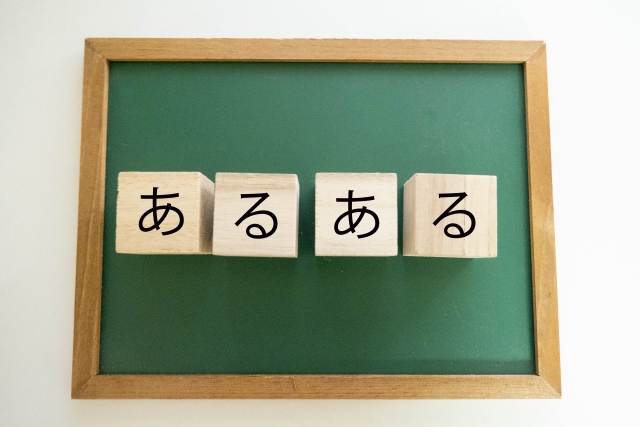
「XXあるある」という表現は、特定の状況や集団に共通する経験や現象を指す言葉です。「XX」には、特定のテーマやグループの名前が入ります。たとえば、「学生あるある」や「サラリーマンあるある」のように使われます。この表現を使うことで、同じ経験を共有する人たちが「それ、わかる!」と共感できるようなエピソードや事柄を紹介することができます。
「あるある」は、「その状況にありがちなこと」や「よくあること」という意味で、日常的なあるあるネタとして広く使われています。日本のSNSやバラエティ番組などでもよく見かけるフレーズです。
「XXあるある」と同じように、特定の状況やグループに共通する経験や現象を表現する言葉として、以下のような言い回しが使われることがあります。
1. 「XXネタ」
「ネタ」は話の種や面白いエピソードを指します。たとえば、「学生ネタ」や「サラリーマンネタ」のように、特定のグループに関連する話題を示す際に使われます。
2. 「XXエピソード」
「エピソード」は特定の出来事や体験を指します。「あるある」に比べて少しフォーマルですが、同様に共感を呼ぶ話題として使われます。
3. 「XX話」
たとえば、「部活話」や「受験話」など、特定のテーマに関連する話題を示します。日常的な会話で使われることが多いです。
4. 「XXの常識」
これは「XX」の集団や分野において当たり前とされる事柄を指します。たとえば、「業界の常識」など。
これらの言い回しも「XXあるある」と似たような文脈で使われることがあり、同じ経験や共感を呼び起こす場面で効果的に用いられます。
日本に来た外国人の方々がよく経験する「外国人あるある」の例をいくつかご紹介します:
1. 道に迷って親切な日本人に助けられる
地図やスマートフォンを持っていても道に迷うことがあります。その際、日本人が親切に声をかけてくれたり、道案内をしてくれることがあります。
2. コンビニの便利さに驚く
日本のコンビニエンスストアは24時間営業で、食事や日用品などさまざまなものが揃っています。この便利さに多くの外国人は感動します。
3. 日本語の「すみません」を多用する
日本語が得意でなくても、多くの外国人が「すみません」という言葉を覚えており、よく使います。店での対応や道を尋ねるとき、何かにぶつかったときなど、非常に便利です。
4. 靴を脱ぐ文化に驚く
家に入るときや、一部のレストランや旅館などで靴を脱ぐ必要があることに、最初は驚く外国人が多いです。しかし、多くの方がすぐにこの習慣に慣れていきます。
5. 自動販売機の多さに驚く
日本のどこにでもある自動販売機の数と種類の多さに、外国人はしばしば驚きます。特に、飲み物だけでなく、食品やアイスクリーム、さらにはおみくじまで販売している自動販売機もあります。
6. お辞儀の文化に戸惑う
初対面の挨拶や感謝を示す際に、日本人が自然にお辞儀をすることに戸惑いを感じることがあります。しかし、これもまたすぐに慣れてしまう「あるある」体験の一つです。
文化や習慣の違いからくる戸惑いがある一方で、日本での生活や人々の親切さに感動する瞬間も多いようです。
「あるある」は、「その状況にありがちなこと」や「よくあること」という意味で、日常的なあるあるネタとして広く使われています。日本のSNSやバラエティ番組などでもよく見かけるフレーズです。
「XXあるある」と同じように、特定の状況やグループに共通する経験や現象を表現する言葉として、以下のような言い回しが使われることがあります。
1. 「XXネタ」
「ネタ」は話の種や面白いエピソードを指します。たとえば、「学生ネタ」や「サラリーマンネタ」のように、特定のグループに関連する話題を示す際に使われます。
2. 「XXエピソード」
「エピソード」は特定の出来事や体験を指します。「あるある」に比べて少しフォーマルですが、同様に共感を呼ぶ話題として使われます。
3. 「XX話」
たとえば、「部活話」や「受験話」など、特定のテーマに関連する話題を示します。日常的な会話で使われることが多いです。
4. 「XXの常識」
これは「XX」の集団や分野において当たり前とされる事柄を指します。たとえば、「業界の常識」など。
これらの言い回しも「XXあるある」と似たような文脈で使われることがあり、同じ経験や共感を呼び起こす場面で効果的に用いられます。
日本に来た外国人の方々がよく経験する「外国人あるある」の例をいくつかご紹介します:
1. 道に迷って親切な日本人に助けられる
地図やスマートフォンを持っていても道に迷うことがあります。その際、日本人が親切に声をかけてくれたり、道案内をしてくれることがあります。
2. コンビニの便利さに驚く
日本のコンビニエンスストアは24時間営業で、食事や日用品などさまざまなものが揃っています。この便利さに多くの外国人は感動します。
3. 日本語の「すみません」を多用する
日本語が得意でなくても、多くの外国人が「すみません」という言葉を覚えており、よく使います。店での対応や道を尋ねるとき、何かにぶつかったときなど、非常に便利です。
4. 靴を脱ぐ文化に驚く
家に入るときや、一部のレストランや旅館などで靴を脱ぐ必要があることに、最初は驚く外国人が多いです。しかし、多くの方がすぐにこの習慣に慣れていきます。
5. 自動販売機の多さに驚く
日本のどこにでもある自動販売機の数と種類の多さに、外国人はしばしば驚きます。特に、飲み物だけでなく、食品やアイスクリーム、さらにはおみくじまで販売している自動販売機もあります。
6. お辞儀の文化に戸惑う
初対面の挨拶や感謝を示す際に、日本人が自然にお辞儀をすることに戸惑いを感じることがあります。しかし、これもまたすぐに慣れてしまう「あるある」体験の一つです。
文化や習慣の違いからくる戸惑いがある一方で、日本での生活や人々の親切さに感動する瞬間も多いようです。
Aru-Aru
The expression “XX Aru Aru” refers to an experience or phenomenon common to a particular situation or group, where “XX” is the name of a specific theme or group. For example, people can use it like “Gakusei (student) Aru Aru” or “Saralyman (businessman) Aru Aru”. People can use this expression to describe the phenomenon of people sharing the same experience that others can relate to. With this expression, people can introduce these types of episodes.
“Aru Aru” means ‘something common in a certain situation’ or ‘something that happens often,’ and Japanese people use it widely in everyday life. You’ll often see it on Japanese social media sites and variety shows.
Similar to “XX Aru Aru,” Japanese people use the following phrases to describe experiences or phenomena common to a particular situation or group.
1. “XX Neta”.
A “neta” refers to a story or an interesting episode. For example, people use it to indicate a topic related to a particular group, such as “Gakusei neta” or “Saraly man neta”.
2. “XX Episode”
An “episode” refers to a specific event or experience. It is a little more formal than “Aru Aru,” but people use it to indicate a similarly sympathetic topic.
3. “XX Banashi”
For example, “XX banashi” refers to a topic related to a specific theme, like “Bukatstu banashi” or “Juken banashi”. People often use it in everyday conversation.
4. “XX no joshiki”
This refers to matters considered commonplace in the “XX” group or field. For example, “Gyokai no joshiki”.
Sometimes, people use these phrases in a similar context to “XX aru aru” and use them effectively in situations that evoke the same experience or sympathy.
Here are a few examples of “Gaikokujin Aru Aru” commonly experienced by foreigners who come to Japan:
1. Getting lost and a kind Japanese person helping you out
Even if you have a map or a smartphone, there are times when you get lost. In such cases, Japanese people may kindly call out to you and give you directions.
2. Being surprised at the convenience of Japanese convenience stores
Convenience stores in Japan are open 24 hours a day and offer a wide variety of food and daily necessities. Many foreigners are impressed by this convenience.
3. Using the Japanese phrase, “Sumimasen” (sorry) frequently
Even if they’re not fluent in Japanese, many foreigners remember the word “Sumimasen” and use it frequently. It’s very useful when dealing with people in stores, asking for directions, or when you bump into something.
4. Being surprised by the shoe-removal culture
Many foreigners are surprised at first that they have to take off their shoes when entering a house or at some restaurants and inns. However, many quickly get used to this custom.
5. Feeling surprised by the number of vending machines
Foreigners are often surprised at the number and variety of vending machines that can be found everywhere in Japan. In particular, some vending machines sell not only drinks, but also food, ice cream, and even fortunes.
6. Being bewildered at the bowing culture
You may feel bewildered by Japanese people bowing when greeting people for the first time or showing appreciation for their hospitality. However, this is another “aha” experience that you will soon get used to.
While there is some bewilderment due to the differences in culture and customs, there are also many moments when people are impressed by life in Japan and the kindness of the people.
“Aru Aru” means ‘something common in a certain situation’ or ‘something that happens often,’ and Japanese people use it widely in everyday life. You’ll often see it on Japanese social media sites and variety shows.
Similar to “XX Aru Aru,” Japanese people use the following phrases to describe experiences or phenomena common to a particular situation or group.
1. “XX Neta”.
A “neta” refers to a story or an interesting episode. For example, people use it to indicate a topic related to a particular group, such as “Gakusei neta” or “Saraly man neta”.
2. “XX Episode”
An “episode” refers to a specific event or experience. It is a little more formal than “Aru Aru,” but people use it to indicate a similarly sympathetic topic.
3. “XX Banashi”
For example, “XX banashi” refers to a topic related to a specific theme, like “Bukatstu banashi” or “Juken banashi”. People often use it in everyday conversation.
4. “XX no joshiki”
This refers to matters considered commonplace in the “XX” group or field. For example, “Gyokai no joshiki”.
Sometimes, people use these phrases in a similar context to “XX aru aru” and use them effectively in situations that evoke the same experience or sympathy.
Here are a few examples of “Gaikokujin Aru Aru” commonly experienced by foreigners who come to Japan:
1. Getting lost and a kind Japanese person helping you out
Even if you have a map or a smartphone, there are times when you get lost. In such cases, Japanese people may kindly call out to you and give you directions.
2. Being surprised at the convenience of Japanese convenience stores
Convenience stores in Japan are open 24 hours a day and offer a wide variety of food and daily necessities. Many foreigners are impressed by this convenience.
3. Using the Japanese phrase, “Sumimasen” (sorry) frequently
Even if they’re not fluent in Japanese, many foreigners remember the word “Sumimasen” and use it frequently. It’s very useful when dealing with people in stores, asking for directions, or when you bump into something.
4. Being surprised by the shoe-removal culture
Many foreigners are surprised at first that they have to take off their shoes when entering a house or at some restaurants and inns. However, many quickly get used to this custom.
5. Feeling surprised by the number of vending machines
Foreigners are often surprised at the number and variety of vending machines that can be found everywhere in Japan. In particular, some vending machines sell not only drinks, but also food, ice cream, and even fortunes.
6. Being bewildered at the bowing culture
You may feel bewildered by Japanese people bowing when greeting people for the first time or showing appreciation for their hospitality. However, this is another “aha” experience that you will soon get used to.
While there is some bewilderment due to the differences in culture and customs, there are also many moments when people are impressed by life in Japan and the kindness of the people.
sign up for the Japanese-Online Newsletter
__..-・**・-..__..-・**・-.._ あいうえお かきくけこ さしすせそ たちつてと なにぬねの はひふへほ まみむめも やいゆえよ らりるれろ わゐうゑを ん __..-・**・-..__..-・**・-.._
#JapaneseOnline #LearningJapanese #FreeJapaneseLessons #JapaneseVideoLearning #JapaneseAnime #Anime #JapaneseFood #Bloguru