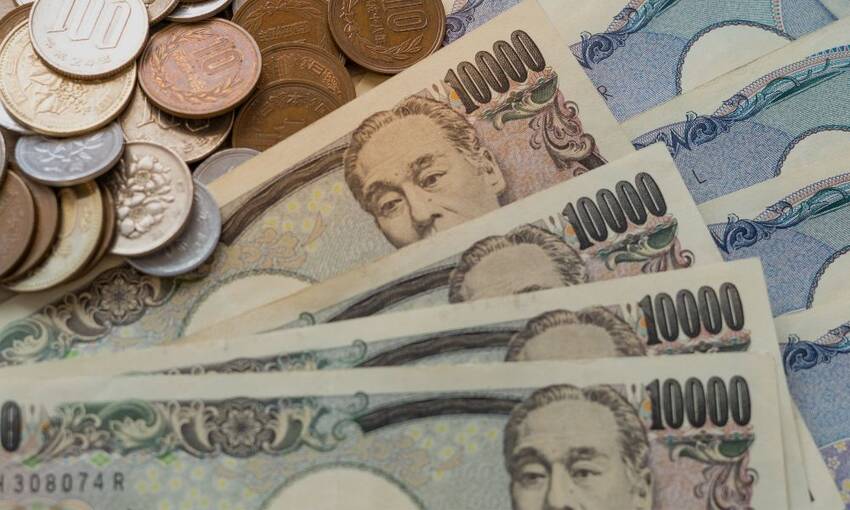
2024年7月3日から、新しい1万円札、5千円札、千円札が発行されるのをご存知でしょうか。1万円札には渋沢栄一、5千円札には津田梅子、千円札には北里柴三郎が描かれます。本日は、それぞれどのような方だったのかをご紹介します。
渋沢栄一(しぶさわ えいいち)は、日本の実業家、政治家、慈善家であり、日本の近代経済の基礎を築いた人物として広く知られています。彼の功績は以下の通りです:
実業界への貢献:第一国立銀行(現みずほ銀行)、東京証券取引所、東京ガスなど、約500の企業や団体の設立に関与しました。彼のビジネス哲学は「論語と算盤(そろばん)」に基づき、倫理と利益の調和を重視しました。
社会貢献:多くの慈善事業や社会事業にも積極的に取り組みました。教育、医療、福祉など、多岐にわたる分野での活動を通じて、日本社会の発展に寄与しました。
政治活動:政治家としても活躍し、明治政府の財政政策や経済政策の立案に関与しました。彼はまた、日本の国際的な経済関係の発展にも尽力し、海外との交流を推進しました。
文化と教育の推進:教育の重要性を強調し、多くの教育機関の設立を支援しました。また、日本の伝統文化の保護と振興にも力を入れました。
彼の生涯と業績は、現在の日本経済の基盤を築いた功労者として、また社会的な倫理とビジネスのバランスを重視する理念を広めた人物として高く評価されています。
津田梅子(つだ うめこ)は、日本の教育者であり、日本女性教育の先駆者として知られています。彼女の主要な功績と生涯について以下に説明します:
生い立ちと留学: 1864年に生まれ、明治政府の岩倉使節団に随行する形で6歳の時にアメリカへ留学しました。彼女は10年間アメリカで教育を受け、日本に帰国しました。この経験が彼女の後の教育者としてのキャリアに大きな影響を与えました。
教育者としての活動: 帰国後、女子教育の重要性を訴え、女性のための教育機関の設立に尽力しました。1900年に津田英学塾(現在の津田塾大学)を設立し、女性に質の高い教育を提供することを目指しました。
教育理念:女性が社会で自立し、活躍するためには高等教育が不可欠であると考えました。彼女の教育理念は、知識だけでなく、人格の陶冶(とうや)を重視するものでした。
社会への貢献:日本における女子教育の発展に大きく貢献しました。彼女の努力によって、多くの女性が教育を受ける機会を得ることができ、その後の日本社会における女性の地位向上に寄与しました。
彼女の生涯は、日本の女子教育の発展に大きな影響を与え、彼女の設立した津田塾大学は現在でもその精神を受け継ぎ、多くの優秀な女性を輩出しています。
北里柴三郎(きたさと しばさぶろう)は、日本の細菌学者であり、近代医学の発展に大きく貢献した人物です。彼の主要な功績と生涯について以下に説明します:
生い立ちと教育: 1853年に熊本藩(現在の熊本県)に生まれました。東京大学医学部を卒業後、ドイツに留学し、ロベルト・コッホのもとで細菌学を学びました。
研究業績:
* 破傷風菌の純粋培養: 1889年に破傷風菌の純粋培養に成功し、破傷風菌が破傷風の原因であることを証明しました。
* 血清療法の開発:彼は破傷風抗毒素血清の開発に成功し、これにより破傷風の治療法が確立されました。この業績は医学の進歩に大きな影響を与えました。
*ペスト菌の発見: 1894年にはペスト菌を発見し、ペストの診断と治療に貢献しました。
教育と社会貢献: 帰国後、東京大学で教授として細菌学の教育に携わりました。また、1893年には北里研究所(現在の北里大学)を設立し、多くの優秀な医師や研究者を育成しました。彼の研究所は、日本の感染症研究の中心として重要な役割を果たしました。
国際的な評価:国際的にも高く評価され、多くの賞や栄誉を受けました。彼の研究は、感染症の理解と治療に大きな影響を与え、世界中の医療現場で活用されました。
彼の生涯は、医学と公衆衛生の発展に大きく寄与し、多くの人命を救った功績に満ちています。彼の努力と献身は、現代医学の基礎を築く重要な一歩となりました。
渋沢栄一(しぶさわ えいいち)は、日本の実業家、政治家、慈善家であり、日本の近代経済の基礎を築いた人物として広く知られています。彼の功績は以下の通りです:
実業界への貢献:第一国立銀行(現みずほ銀行)、東京証券取引所、東京ガスなど、約500の企業や団体の設立に関与しました。彼のビジネス哲学は「論語と算盤(そろばん)」に基づき、倫理と利益の調和を重視しました。
社会貢献:多くの慈善事業や社会事業にも積極的に取り組みました。教育、医療、福祉など、多岐にわたる分野での活動を通じて、日本社会の発展に寄与しました。
政治活動:政治家としても活躍し、明治政府の財政政策や経済政策の立案に関与しました。彼はまた、日本の国際的な経済関係の発展にも尽力し、海外との交流を推進しました。
文化と教育の推進:教育の重要性を強調し、多くの教育機関の設立を支援しました。また、日本の伝統文化の保護と振興にも力を入れました。
彼の生涯と業績は、現在の日本経済の基盤を築いた功労者として、また社会的な倫理とビジネスのバランスを重視する理念を広めた人物として高く評価されています。
津田梅子(つだ うめこ)は、日本の教育者であり、日本女性教育の先駆者として知られています。彼女の主要な功績と生涯について以下に説明します:
生い立ちと留学: 1864年に生まれ、明治政府の岩倉使節団に随行する形で6歳の時にアメリカへ留学しました。彼女は10年間アメリカで教育を受け、日本に帰国しました。この経験が彼女の後の教育者としてのキャリアに大きな影響を与えました。
教育者としての活動: 帰国後、女子教育の重要性を訴え、女性のための教育機関の設立に尽力しました。1900年に津田英学塾(現在の津田塾大学)を設立し、女性に質の高い教育を提供することを目指しました。
教育理念:女性が社会で自立し、活躍するためには高等教育が不可欠であると考えました。彼女の教育理念は、知識だけでなく、人格の陶冶(とうや)を重視するものでした。
社会への貢献:日本における女子教育の発展に大きく貢献しました。彼女の努力によって、多くの女性が教育を受ける機会を得ることができ、その後の日本社会における女性の地位向上に寄与しました。
彼女の生涯は、日本の女子教育の発展に大きな影響を与え、彼女の設立した津田塾大学は現在でもその精神を受け継ぎ、多くの優秀な女性を輩出しています。
北里柴三郎(きたさと しばさぶろう)は、日本の細菌学者であり、近代医学の発展に大きく貢献した人物です。彼の主要な功績と生涯について以下に説明します:
生い立ちと教育: 1853年に熊本藩(現在の熊本県)に生まれました。東京大学医学部を卒業後、ドイツに留学し、ロベルト・コッホのもとで細菌学を学びました。
研究業績:
* 破傷風菌の純粋培養: 1889年に破傷風菌の純粋培養に成功し、破傷風菌が破傷風の原因であることを証明しました。
* 血清療法の開発:彼は破傷風抗毒素血清の開発に成功し、これにより破傷風の治療法が確立されました。この業績は医学の進歩に大きな影響を与えました。
*ペスト菌の発見: 1894年にはペスト菌を発見し、ペストの診断と治療に貢献しました。
教育と社会貢献: 帰国後、東京大学で教授として細菌学の教育に携わりました。また、1893年には北里研究所(現在の北里大学)を設立し、多くの優秀な医師や研究者を育成しました。彼の研究所は、日本の感染症研究の中心として重要な役割を果たしました。
国際的な評価:国際的にも高く評価され、多くの賞や栄誉を受けました。彼の研究は、感染症の理解と治療に大きな影響を与え、世界中の医療現場で活用されました。
彼の生涯は、医学と公衆衛生の発展に大きく寄与し、多くの人命を救った功績に満ちています。彼の努力と献身は、現代医学の基礎を築く重要な一歩となりました。
New Japanese Bills
Did you know that starting July 3, 2024, the Japanese government will issue new 10,000 yen, 5,000 yen, and 1,000 yen bills with Eiichi Shibusawa on the 10,000 yen bill, Umeko Tsuda on the 5,000 yen bill, and Shibasaburo Kitasato on the 1,000 yen bill? Today, we would like to introduce you to each of them.
Eiichi Shibusawa
Eiichi Shibusawa was a Japanese businessman, politician, and philanthropist, widely known as the man who laid the foundation of Japan's modern economy. His achievements include:
Business contributions: He helped establish about 500 companies and organizations, including the First National Bank (now Mizuho Bank), the Tokyo Stock Exchange, and Tokyo Gas. His business philosophy was based on "Analects and the abacus" and emphasized the harmony of ethics and profit.
Social Contribution: He actively participated in charitable and social projects. He contributed to Japanese society's development through activities in various fields, including education, healthcare, and welfare.
Political Activities: He was also an active politician and helped form fiscal and economic policies for the Meiji government. He was also instrumental in developing Japan's international economic relations and promoting foreign-country exchanges.
Culture and Education Promotion: He stressed the importance of education and supported many educational institutions. He also devoted himself to preserving and promoting traditional Japanese culture.
People highly regard his life and accomplishments as a contributor to the foundation of the current Japanese economy and as someone who promoted a philosophy that emphasized a balance between social ethics and business.
Umeko Tsuda
Umeko Tsuda was a Japanese educator and who many regard as a pioneer in Japanese women's education. Her major achievements and life events include:
Birth and Study Abroad: Umeko Tsuda was born in 1864 and went to the U.S. at six years old to study as a member of the Iwakura Mission of the Meiji government. She studied in the U.S. for ten years before going back to Japan, which greatly influenced her later career as an educator.
Educator Activities: After returning to Japan, she stressed the importance of women's education and devoted herself to establishing educational female institutions, founding Tsuda Eigaku Juku (now Tsuda College) in 1900 with the goal of providing quality education to women.
Educational Philosophy: Tsuda believed that women required higher education to become independent and active in society. Her educational philosophy emphasized not only knowledge but also character cultivation.
Societal Contributions: She greatly contributed to the women's education development in Japan. Through her efforts, she gave many women the opportunity to receive an education, and she contributed to the subsequent improvement of the women’s statuses in Japanese society.
Her life had a great impact on the women's education development in Japan, and Tsuda College, which she founded, and it continues to carry on her spirit and produce many outstanding women today.
Shibasaburo Kitasato
Shibasaburo Kitasato was a Japanese bacteriologist who contributed greatly to the development of modern medicine. His major achievements and life events include:
Upbringing and Education: He was born in 1853 in the Kumamoto domain (present-day Kumamoto Prefecture). After graduating from the Faculty of Medicine at the University of Tokyo, he went to Germany to study bacteriology under Robert Koch.
Research Achievements:
Pure culture of tetanus bacillus: In 1889, he successfully obtained a pure culture of tetanus bacillus, proving tetanus bacillus as the cause of tetanus.
Serum therapy development: He succeeded in developing tetanus antitoxin serum, thereby establishing a cure for tetanus. This achievement had a great impact on the progress of medicine.
Discovery of the plague bacillus: In 1894, he discovered the plague bacillus and contributed to the diagnosis and treatment of the plague.
Education and Social Contribution: After returning to Japan, Dr. Kikuchi became a professor at the University of Tokyo, where he taught bacteriology. In 1893, he established the Kitasato Research Institute (now Kitasato University), where he trained many outstanding doctors and researchers. His institute played an important role as the center of research on infectious diseases in Japan.
International Recognition: He received many awards and honors, giving him international recognition. His research had a profound impact on the understanding and treatment of infectious disease, as many doctors still use in practice around the world today.
His life was filled with achievements that greatly contributed to the development of medicine and public health and saved many lives. His efforts and dedication were an important step in laying the foundation for modern medicine.
sign up for the Japanese-Online Newsletter
__..-・**・-..__..-・**・-.._ あいうえお かきくけこ さしすせそ たちつてと なにぬねの はひふへほ まみむめも やいゆえよ らりるれろ わゐうゑを ん __..-・**・-..__..-・**・-.._
#JapaneseOnline #LearningJapanese #FreeJapaneseLessons #JapaneseVideoLearning #JapaneseAnime #Anime #JapaneseFood #Bloguru