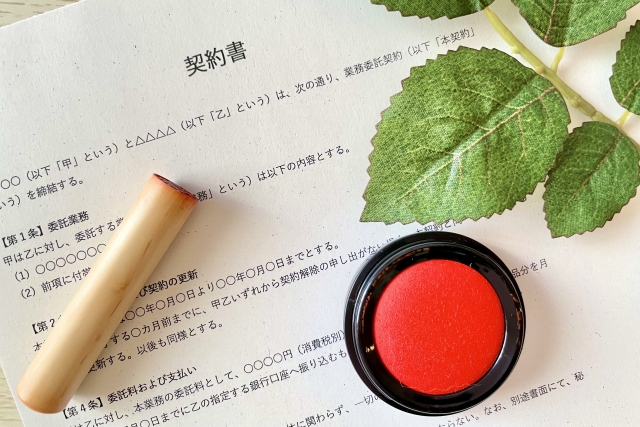
日本の印鑑文化
日本における印鑑(はんこ)は、個人や法人のアイデンティティを証明するための重要な道具です。印鑑は、日本の文化やビジネス慣習に深く根付いており、様々な場面で使用されます。以下に、印鑑文化の特徴とその役割について説明します。
印鑑の種類
1. 実印(じついん):
法的に最も重要な印鑑で、個人や法人の正式な証明書や契約書に使用されます。市区町村の役場で登録し、「印鑑証明書」を取得することで、実印としての効力を持ちます。
2. 銀行印(ぎんこういん):
銀行口座を開設する際に登録する印鑑です。預金の引き出しや口座の管理に使用されます。
3. 認印(みとめいん):
日常的な書類や簡単な契約書などに使用される印鑑です。コンビニや文房具店で簡単に購入できるため、手軽に利用されます。
印鑑の使用場面
1. 契約書の署名:
不動産の売買契約、借用契約、雇用契約など、重要な契約書に実印を押します。
2. 公的書類の手続き:
結婚届や離婚届、遺産相続などの公的な手続きにも実印が必要です。
3. 銀行取引:
銀行口座の開設や預金の引き出しなど、金融機関での取引に銀行印を使用します。
4. 日常的な承認:
荷物の受け取りや社内文書の承認など、日常的な場面で認印が使われます。
印鑑の作成と管理
1. 印鑑の作成:
印鑑は専門の印鑑店やオンラインショップで注文・作成できます。個人の名前や会社名を刻んだり、デザインを指定することも可能です。
2. 印鑑の管理:
重要な印鑑は、盗難や紛失を防ぐために慎重に保管されます。家庭やオフィスでは、専用の印鑑ケースや金庫に保管することが一般的です。
印鑑文化の意義と現代の変化
印鑑文化は、日本において信頼性と正式性を象徴する重要な役割を果たしてきました。しかし、近年ではデジタル化の進展により、電子署名やデジタル証明書が普及し始めています。それでもなお、印鑑は多くの場面で使用され続けており、日本独自の文化として根強く残っています。
外国人も日本で実印を作成し、登録することができます。以下は、外国人が実印を作成し登録するための手順とポイントです。
実印の作成と登録手順
1. 実印の作成:
専門の印鑑店やオンラインショップで印鑑を注文します。印鑑には自分の名前(カタカナ、漢字、アルファベット)を刻むことができます。
2. 印鑑登録の申請:
住民登録をしている市区町村の役場に行き、印鑑登録を申請します。以下の書類が必要です。
外国人登録証明書(在留カード)または特別永住者証明書
登録したい印鑑
本人確認書類(パスポートなど)
3. 印鑑登録証明書の取得:
印鑑登録が完了すると、「印鑑登録証明書」を発行してもらえます。
日本における印鑑(はんこ)は、個人や法人のアイデンティティを証明するための重要な道具です。印鑑は、日本の文化やビジネス慣習に深く根付いており、様々な場面で使用されます。以下に、印鑑文化の特徴とその役割について説明します。
印鑑の種類
1. 実印(じついん):
法的に最も重要な印鑑で、個人や法人の正式な証明書や契約書に使用されます。市区町村の役場で登録し、「印鑑証明書」を取得することで、実印としての効力を持ちます。
2. 銀行印(ぎんこういん):
銀行口座を開設する際に登録する印鑑です。預金の引き出しや口座の管理に使用されます。
3. 認印(みとめいん):
日常的な書類や簡単な契約書などに使用される印鑑です。コンビニや文房具店で簡単に購入できるため、手軽に利用されます。
印鑑の使用場面
1. 契約書の署名:
不動産の売買契約、借用契約、雇用契約など、重要な契約書に実印を押します。
2. 公的書類の手続き:
結婚届や離婚届、遺産相続などの公的な手続きにも実印が必要です。
3. 銀行取引:
銀行口座の開設や預金の引き出しなど、金融機関での取引に銀行印を使用します。
4. 日常的な承認:
荷物の受け取りや社内文書の承認など、日常的な場面で認印が使われます。
印鑑の作成と管理
1. 印鑑の作成:
印鑑は専門の印鑑店やオンラインショップで注文・作成できます。個人の名前や会社名を刻んだり、デザインを指定することも可能です。
2. 印鑑の管理:
重要な印鑑は、盗難や紛失を防ぐために慎重に保管されます。家庭やオフィスでは、専用の印鑑ケースや金庫に保管することが一般的です。
印鑑文化の意義と現代の変化
印鑑文化は、日本において信頼性と正式性を象徴する重要な役割を果たしてきました。しかし、近年ではデジタル化の進展により、電子署名やデジタル証明書が普及し始めています。それでもなお、印鑑は多くの場面で使用され続けており、日本独自の文化として根強く残っています。
外国人も日本で実印を作成し、登録することができます。以下は、外国人が実印を作成し登録するための手順とポイントです。
実印の作成と登録手順
1. 実印の作成:
専門の印鑑店やオンラインショップで印鑑を注文します。印鑑には自分の名前(カタカナ、漢字、アルファベット)を刻むことができます。
2. 印鑑登録の申請:
住民登録をしている市区町村の役場に行き、印鑑登録を申請します。以下の書類が必要です。
外国人登録証明書(在留カード)または特別永住者証明書
登録したい印鑑
本人確認書類(パスポートなど)
3. 印鑑登録証明書の取得:
印鑑登録が完了すると、「印鑑登録証明書」を発行してもらえます。
Hanko (Japanese seal)
Japan's seal culture
In Japan, “hanko” are important tools for proving the identity of individuals and corporations. These seals are deeply rooted in Japanese culture and business practices, and are used in a variety of situations. Below is a description of the characteristics of this seal culture and its functions.
Types of seals
1. jitsuin (official seal):
As the most important legal seal, it is used for official certificates and contracts for individuals and corporations. It is registered at the municipal office of the city, ward, town or village of residence, and a seal registration certificate is required to obtain a registered seal.
2. ginkouin (bank seal):
The seal registered when opening a bank account. It is used to withdraw deposits and manage the account.
3. mitomein (personal seal):
This seal is used for everyday documents and simple contracts. They are readily available at convenience stores and stationery stores.
Situations in which a seal is used
1. Signing contracts:
An official seal is sealed on important contracts such as real estate sales contracts, lease contracts, and employment contracts.
2. Official procedures:
An official seal is also required for official procedures such as marriage registration, divorce registration, and inheritance.
3. Bank transactions:
A bank seal is used for transactions at financial institutions, such as opening bank accounts and withdrawing deposits.
4. Day-to-day agreements:
A personal seal is used in everyday situations such as receiving packages and approving internal documents.
Creation and management of seals
1. Seal creation:
seals can be ordered and created at professional seal stores or online. You can engrave your personal name or company name, or design your own.
2. Seal management:
Important seals are carefully stored to prevent theft or loss. In homes and offices, seals are usually stored in special seal cases or safes.
Significance of seal culture and modern changes
The seal culture has played an important role in Japan as a symbol of reliability and formality. In recent years, however, with the advancement of digitization, electronic signatures and digital certificates have begun to spread. Nevertheless, seals continue to be used in many situations and remain firmly rooted in Japan's unique culture.
Foreigners can also create and register their own seals in Japan. Below are the procedures and key points for foreigners to create and register a registered personal seal.
Procedures for making and registering an official seal
1. Create an official seal:
Order a seal from a professional seal store or online store. You can engrave your name (in katakana, kanji, or alphabet) on the seal.
2. Apply for a seal registration:
Go to the municipal office of the city, ward, town or village where you are registered as a resident and apply for seal registration. The following documents are required
A Certificate of Alien Registration (Residence card) or Special Permanent Resident Certificate
The seal to be registered
Identification documents (passport, etc.)
3. Obtain a seal registration certificate:
Once your seal registration is processed, you will be issued a seal registration certificate.
sign up for the Japanese-Online Newsletter
__..-・**・-..__..-・**・-.._ あいうえお かきくけこ さしすせそ たちつてと なにぬねの はひふへほ まみむめも やいゆえよ らりるれろ わゐうゑを ん __..-・**・-..__..-・**・-.._
#JapaneseOnline #LearningJapanese #FreeJapaneseLessons #JapaneseVideoLearning #JapaneseAnime #Anime #JapaneseFood #Bloguru