知っておきたい日本のマナー10個をご紹介します。
(1)日本では病院のお見舞いに「鉢植えの花」を送ってはいけません
「鉢植えの花」には根があり、その形から「寝付く」という表現が連想されることがあります。この表現は、病人が床に就くことを指す言葉でもあります。そのため、病院のお見舞いにおいて、「鉢植えの花」を持参することで、病人の状態を悪くしたり、不吉な気を呼び込むとされることがあります。
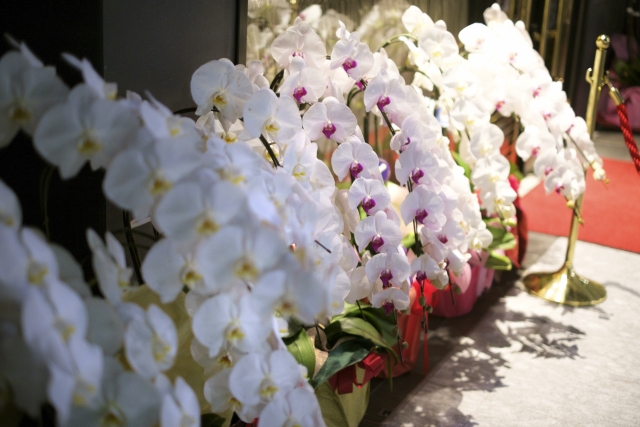
(2)日本では、ビジネスの開店祝いに蘭の鉢盂を送るのはなぜ
日本では、ビジネスの開店や新しい事業の成功を祝う際に、蘭の鉢盂(らんのはつう)を贈る習慣があります。これは、中国の習慣に由来しています。
蘭の鉢盂は、中国の伝統的な祝福の象徴であり、繁栄や成功を願う意味が込められています。日本ではこれが、開業や新たなビジネスの成功を祈るという意味合いで尊重されています。また、鉢盂自体が陶器製であり、耐久性がありますので、長い間使われ続けることが期待される、ビジネスの持続的な成功を象徴するともされています。
この習慣は、日本の文化の一部として根付いており、ビジネスの開店や成功を祝う際には、このような贈り物がよく利用されます。
(3)店舗の入口に塩を盛るのはなぜ
塩は浄化の象徴として広く知られています。古代から様々な宗教や信仰で、悪いものや邪悪なものを払うために塩が使用されてきました。店舗の入口に塩を置くことで、悪い運気や邪気をはじき、良いエネルギーを呼び込むと信じられています。
(4)お箸をご飯に刺して置いてはいけません
お箸をご飯に突き刺すことは、死者へのたむけものという意味があります。従って生きている人に対し、ご飯にお箸を刺して渡すことはタブーとされています。
(5)麺はすすっても。ものを食べるときに「くちゃくちゃ」噛まない
日本では麺をすする食べ方は許されていますが、口に入れたものを「くちゃくちゃ」と音を立てて食べるのはあまり好まれません。食べる音を最小限にすることが望ましいとされており、特に公共の場やフォーマルな食事の際には静かに食事を楽しむことが一般的です。
(6)尾頭付きの魚をだす場合は、必ず頭が左に来るようにします
一般的に、日本では食事をする際、お箸を右手で持ち、左手で魚を支えるのが一般的です。そのため、魚の頭が左側に来るように盛り付けられると、右利きの人が食べやすくなります。また、魚の頭が左側に来ることで、魚が泳ぐ自然な姿勢に近く、見た目の美しさも重視されます。
この習慣は、日本の食文化における細やかな配慮やマナーの一環として受け継がれています。そのため、尾頭付きの魚を出す場合には、頭が左側に来るように配慮されることが一般的です。
(7)エスカレータは関東では左、関西では右に立ちます
関東地方では、エスカレーターの左側に立つことで、右側を急いで使いたい人や荷物を持っている人が通るスペースを確保しやすくなります。一方、関西地方では逆で右側に立ち、左側を通りたい人がスムーズに通行できるようにします。
(8)日本では車は左、人は右です
歴史的に、日本は19世紀に西洋の文化や技術を取り入れる際、イギリスからの影響を強く受けました。その中で、日本の交通制度もイギリスのものに倣いました。イギリスでは、車が左側通行であるため、日本も左側通行となりました。ちなみに人はどちらを歩いても問題ありませんが、多くの人がいる場合には流れに合わせるようにしましょう。
(9)歩きタバコは日本では禁止の地域が多い
日本では歩きタバコが禁止されている地域が多くあります。特に人通りの多い商店街や繁華街、公共の場所、交通機関の待合所などでは、歩きタバコが禁止されていることが一般的です。
歩きタバコが禁止されている理由の一つには、他の人々への迷惑や健康被害が挙げられます。たばこの煙や、タバコの臭いが周囲の人々に不快感を与え、また受動喫煙のリスクを増加させる可能性があるため、公共の場では禁止されることが多いです。警察や自治体の職員が巡回して取り締まりを行うこともありますので、注意が必要です。
(10)マリファナは麻薬で、厳重に処罰されます
日本ではマリファナは麻薬として分類され、厳格な法律によって規制されています。日本の麻薬取締法によれば、マリファナは違法薬物に分類され、所持、使用、栽培、販売、輸送などが厳しく禁止されています。マリファナの所持や使用に対しては懲役や罰金などの厳しい処罰が科される可能性があります。
したがって、日本を訪れる外国人や在住外国人にとっても、日本の麻薬法には適切に従う必要があります。マリファナは合法化や規制緩和が進む国々もありますが、日本ではまだそのような動きは見られません。間違っても持っていかないようにしてください。
以上、日本の常識を10個書いてみました。マナーとしてだけではなく違法として検挙される場合もありますので気をつけてください。
(1)日本では病院のお見舞いに「鉢植えの花」を送ってはいけません
「鉢植えの花」には根があり、その形から「寝付く」という表現が連想されることがあります。この表現は、病人が床に就くことを指す言葉でもあります。そのため、病院のお見舞いにおいて、「鉢植えの花」を持参することで、病人の状態を悪くしたり、不吉な気を呼び込むとされることがあります。
(2)日本では、ビジネスの開店祝いに蘭の鉢盂を送るのはなぜ
日本では、ビジネスの開店や新しい事業の成功を祝う際に、蘭の鉢盂(らんのはつう)を贈る習慣があります。これは、中国の習慣に由来しています。
蘭の鉢盂は、中国の伝統的な祝福の象徴であり、繁栄や成功を願う意味が込められています。日本ではこれが、開業や新たなビジネスの成功を祈るという意味合いで尊重されています。また、鉢盂自体が陶器製であり、耐久性がありますので、長い間使われ続けることが期待される、ビジネスの持続的な成功を象徴するともされています。
この習慣は、日本の文化の一部として根付いており、ビジネスの開店や成功を祝う際には、このような贈り物がよく利用されます。
(3)店舗の入口に塩を盛るのはなぜ
塩は浄化の象徴として広く知られています。古代から様々な宗教や信仰で、悪いものや邪悪なものを払うために塩が使用されてきました。店舗の入口に塩を置くことで、悪い運気や邪気をはじき、良いエネルギーを呼び込むと信じられています。
(4)お箸をご飯に刺して置いてはいけません
お箸をご飯に突き刺すことは、死者へのたむけものという意味があります。従って生きている人に対し、ご飯にお箸を刺して渡すことはタブーとされています。
(5)麺はすすっても。ものを食べるときに「くちゃくちゃ」噛まない
日本では麺をすする食べ方は許されていますが、口に入れたものを「くちゃくちゃ」と音を立てて食べるのはあまり好まれません。食べる音を最小限にすることが望ましいとされており、特に公共の場やフォーマルな食事の際には静かに食事を楽しむことが一般的です。
(6)尾頭付きの魚をだす場合は、必ず頭が左に来るようにします
一般的に、日本では食事をする際、お箸を右手で持ち、左手で魚を支えるのが一般的です。そのため、魚の頭が左側に来るように盛り付けられると、右利きの人が食べやすくなります。また、魚の頭が左側に来ることで、魚が泳ぐ自然な姿勢に近く、見た目の美しさも重視されます。
この習慣は、日本の食文化における細やかな配慮やマナーの一環として受け継がれています。そのため、尾頭付きの魚を出す場合には、頭が左側に来るように配慮されることが一般的です。
(7)エスカレータは関東では左、関西では右に立ちます
関東地方では、エスカレーターの左側に立つことで、右側を急いで使いたい人や荷物を持っている人が通るスペースを確保しやすくなります。一方、関西地方では逆で右側に立ち、左側を通りたい人がスムーズに通行できるようにします。
(8)日本では車は左、人は右です
歴史的に、日本は19世紀に西洋の文化や技術を取り入れる際、イギリスからの影響を強く受けました。その中で、日本の交通制度もイギリスのものに倣いました。イギリスでは、車が左側通行であるため、日本も左側通行となりました。ちなみに人はどちらを歩いても問題ありませんが、多くの人がいる場合には流れに合わせるようにしましょう。
(9)歩きタバコは日本では禁止の地域が多い
日本では歩きタバコが禁止されている地域が多くあります。特に人通りの多い商店街や繁華街、公共の場所、交通機関の待合所などでは、歩きタバコが禁止されていることが一般的です。
歩きタバコが禁止されている理由の一つには、他の人々への迷惑や健康被害が挙げられます。たばこの煙や、タバコの臭いが周囲の人々に不快感を与え、また受動喫煙のリスクを増加させる可能性があるため、公共の場では禁止されることが多いです。警察や自治体の職員が巡回して取り締まりを行うこともありますので、注意が必要です。
(10)マリファナは麻薬で、厳重に処罰されます
日本ではマリファナは麻薬として分類され、厳格な法律によって規制されています。日本の麻薬取締法によれば、マリファナは違法薬物に分類され、所持、使用、栽培、販売、輸送などが厳しく禁止されています。マリファナの所持や使用に対しては懲役や罰金などの厳しい処罰が科される可能性があります。
したがって、日本を訪れる外国人や在住外国人にとっても、日本の麻薬法には適切に従う必要があります。マリファナは合法化や規制緩和が進む国々もありますが、日本ではまだそのような動きは見られません。間違っても持っていかないようにしてください。
以上、日本の常識を10個書いてみました。マナーとしてだけではなく違法として検挙される場合もありますので気をつけてください。
Japanese manners you should know
Here are 10 Japanese manners you should know.
(1) Do not bring potted flowers for hospital visits in Japan
Potted flowers have roots, and this sometimes brings to mind the expression “nezuku” (taking root). This also refers to lying in bed due to sickness. Therefore, bringing potted flowers when visiting a sick person in a hospital is sometimes said to make their condition worse or to bring in bad luck.
(2) Why do people in Japan bring an orchid flower bowl to celebrate the opening of a business?
In Japan, it is customary to send an orchid flower bowl when celebrating the opening of a business or the success of a new venture. This is derived from a Chinese custom.
The “ran-no-hatsu-u” is a traditional Chinese symbol of blessings and wishes for prosperity and success. In Japan, this is treated as a way to pray for the opening of a business or the success of a new business. It is also considered to symbolize the continued success of a business, as the bowl itself is made of ceramic, thus it is durable and expected to last a long time.
This custom is an ingrained part of Japanese culture, and such gifts are often used to celebrate the opening or success of a business.
(3) Why heap salt at the entrance of a store?
Salt is widely known as a symbol of purification. Since ancient times, salt has been used in various religions and beliefs to ward off bad and evil. It is believed that placing salt at the entrance of a store repels bad luck and evil spirits and attracts good energy.
(4) Do not leave chopsticks sticking into rice
Sticking chopsticks upright into rice is meant as an offering to the dead. Therefore, it is taboo to give rice with chopsticks sticking upright to a living person.
(5) Noodles may be slurped. But do not chew loudly when eating things.
In Japan, slurping noodles is permitted, but making loud chewing noises when eating something in one's mouth is not so appreciated. It is considered desirable to minimize the sound of eating, and it is normal to enjoy a meal quietly, especially in public or during formal meals.
(6) When serving a fish whole, the head should always be on the left.
Generally, when eating in Japan, chopsticks are held with the right hand and the fish is held in place with the left hand. Therefore, if the fish is served with the head of the fish on the left side, it will be easier for right-handed people to eat. Also, with the fish head on the left side, it is closer to the fish's natural swimming posture, which also emphasizes the beauty of the fish's appearance.
This custom has been handed down as part of the fine attention to detail and manners in Japanese food culture. Therefore, when serving fish with a tail head, it is customary for the head to be placed on the left side.
(7) On escalators, people stand on the left in the Kanto region and on the right in the Kansai region.
In the Kanto region, standing on the left side of the escalator makes it easier for people in a hurry or are carrying luggage to have room to pass on the right. On the other hand, in the Kansai region, the opposite is true: stand on the right side of the escalator so that people who wish to pass on the left side can do so smoothly.
(8) In Japan, cars are on the left and people are on the right
Historically, Japan was strongly influenced by the British when adopting Western culture and technology in the 19th century. In this context, the Japanese traffic system also followed the British one. In England, cars drive on the left side of the road. Incidentally, people can walk on either side of the road, but if there are many people, it is advisable to go with the flow.
(9) Smoking while walking is prohibited in many areas in Japan
Smoking while walking is prohibited in many areas in Japan. It is generally prohibited in busy shopping streets, downtown areas, public places, and waiting areas of transportation systems.
One of the reasons walking with a cigarette is prohibited is because of the inconvenience and health risks to other people. Cigarette smoke and the smell of cigarettes can be offensive to those around you and increase the risk of passive smoking, which is why it is often prohibited in public places. Police and local government officials may patrol and enforce the ban, so please be aware of this.
(10) Marijuana is a drug and will be severely punished.
In Japan, marijuana is classified as a narcotic and is strictly regulated by law. According to Japan's Narcotics Control Law, marijuana is classified as an illegal drug and its possession, use, cultivation, sale, and transportation are strictly prohibited. Possession or use of marijuana can result in severe penalties, including imprisonment and fines.
Therefore, foreigners visiting or residing in Japan must properly comply with Japan's drug laws. While some countries are legalizing or deregulating marijuana, there is no such movement in Japan yet. Please do not bring any with you by mistake.
These are 10 common manners in Japan. Please be aware that this is not only a matter of good or ad manners, but may have to do with the law with the risk of an arrest.
sign up for the Japanese-Online Newsletter
__..-・**・-..__..-・**・-.._ あいうえお かきくけこ さしすせそ たちつてと なにぬねの はひふへほ まみむめも やいゆえよ らりるれろ わゐうゑを ん __..-・**・-..__..-・**・-.._
#JapaneseOnline #LearningJapanese #FreeJapaneseLessons #JapaneseVideoLearning #JapaneseAnime #Anime #JapaneseFood #Bloguru