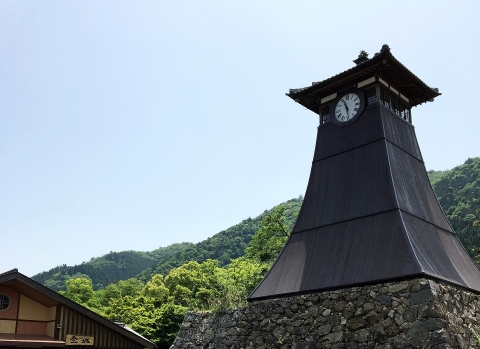
現在の我々は当たり前に24時間を何時何分で表していますが、江戸時代(1603年から1868年)は異なる言い方をしていました。いまではこの時間の呼び方を使うことは殆どありませんが、江戸時代をベースにしたアニメや映画、テレビ番組では頻繁に使われますので紹介させていただきます。
江戸時代の時間は、午前・午後を12等分した12刻(こく)制度が一般的でした。各刻は2時間半ずつの時間を表します。
具体的には以下のようになります:
「子の刻(ねのこく)」:午前5時頃から7時半頃まで。
「丑の刻(うしのこく)」:午前7時半頃から10時頃まで。
「寅の刻(とらのこく)」:午前10時頃から正午半頃まで。
「卯の刻(うのこく)」:正午半頃から午後3時頃まで。
「辰の刻(たつのこく)」:午後3時頃から5時半頃まで。
「巳の刻(みのこく)」:午後5時半頃から8時頃まで。
「午の刻(うまのこく)」:午後8時頃から10時半頃まで。
「未の刻(ひつじのこく)」:午後10時半頃から午前1時頃まで。
「申の刻(さるのこく)」:午前1時半頃から4時半頃まで。
「酉の刻(とりのこく)」:午前4時半頃から7時半頃まで。
「戌の刻(いぬのこく)」:午前7時半頃から10時半頃まで。
「亥の刻(いのこく)」:午前10時半頃から午前5時半頃まで。
これからも分かるように時間の範囲が広いために、誰かと待ち合わせをする場合、難しかったのではないでしょうか。例えば「昼時(ひるどき)に深町の田中茶屋にてあいましょう。」と言った場合、深町の田中茶屋という具体的な場所が指定されていますが、時間の厳密な指定は行われておらず、日中の時間帯であることが伝えられています。
昔は今と違って何時何分という単位で生活をしていなかったのではないでしょうか。今の生活をしている我々にとって、江戸時代のような大雑把な時間感覚で生活をすることはできません。特に軍隊(侍)などはどのようにしてスケジュールしていたのでしょうね。今の我々には考えられません。
江戸時代の時間は、午前・午後を12等分した12刻(こく)制度が一般的でした。各刻は2時間半ずつの時間を表します。
具体的には以下のようになります:
「子の刻(ねのこく)」:午前5時頃から7時半頃まで。
「丑の刻(うしのこく)」:午前7時半頃から10時頃まで。
「寅の刻(とらのこく)」:午前10時頃から正午半頃まで。
「卯の刻(うのこく)」:正午半頃から午後3時頃まで。
「辰の刻(たつのこく)」:午後3時頃から5時半頃まで。
「巳の刻(みのこく)」:午後5時半頃から8時頃まで。
「午の刻(うまのこく)」:午後8時頃から10時半頃まで。
「未の刻(ひつじのこく)」:午後10時半頃から午前1時頃まで。
「申の刻(さるのこく)」:午前1時半頃から4時半頃まで。
「酉の刻(とりのこく)」:午前4時半頃から7時半頃まで。
「戌の刻(いぬのこく)」:午前7時半頃から10時半頃まで。
「亥の刻(いのこく)」:午前10時半頃から午前5時半頃まで。
これからも分かるように時間の範囲が広いために、誰かと待ち合わせをする場合、難しかったのではないでしょうか。例えば「昼時(ひるどき)に深町の田中茶屋にてあいましょう。」と言った場合、深町の田中茶屋という具体的な場所が指定されていますが、時間の厳密な指定は行われておらず、日中の時間帯であることが伝えられています。
昔は今と違って何時何分という単位で生活をしていなかったのではないでしょうか。今の生活をしている我々にとって、江戸時代のような大雑把な時間感覚で生活をすることはできません。特に軍隊(侍)などはどのようにしてスケジュールしていたのでしょうね。今の我々には考えられません。
Time in the Edo Period
Today, we take it for granted that 24 hours is expressed in terms of hours and minutes, but in the Edo period (1603-1868), time was referred to in a different way. Although nowadays, we rarely refer to time in this way, it is frequently used in anime, movies, and TV programs based in the Edo period, so here is a basic introduction.
In the Edo period, time was generally divided into 12 equal parts, morning and afternoon, using a 12-hour clock system. Each hour represents two and a half hours.
Specifically, the time is as follows
The hour of the Rat: from around 5:00 a.m. to 7:30 a.m.
The hour of the Ox: from around 7:30 a.m. to 10:00 a.m.
The hour of the Tiger: from around 10:00 a.m. to 12:30 p.m.
The hour of the Rabbit: from around 12:30 p.m. to 3:00 p.m.
The hour of the Dragon: from around 3:00 p.m. to 5:30 p.m.
The hour of the Snake: from around 5:30 p.m. to 8:00 p.m.
The hour of the Horse: from around 8:00 p.m. to 10:30 p.m.
The hour of the Sheep: from around 10:30 p.m. to 1:00 a.m.
The hour of the Monkey: from around 1:30 a.m. to 4:30 a.m.
The hour of the Rooster: from around 4:30 a.m. to 7:30 a.m.
The hour of the Dog: from around 7:30 a.m. to 10:30 a.m.
The hour of the Boar: from around 10:30 a.m. to 5:30 a.m.
As can be seen from the above, the wide range of times may have made it difficult to arrange a rendezvous with someone. For example when saying “Let's meet at Tanaka Teahouse in Fukamachi at lunchtime,” a specific location is indicated, but the exact time is not specified, just that it is sometime during the middle of the day.
In the past, unlike today, people probably did not live their lives by the hours and minutes. For those of us today, we cannot live with the general sense of time as in the Edo period. Especially for those like the military (Samurai), in particular, how did they manage their schedules? It is unimaginable in today's world.
sign up for the Japanese-Online Newsletter
__..-・**・-..__..-・**・-.._ あいうえお かきくけこ さしすせそ たちつてと なにぬねの はひふへほ まみむめも やいゆえよ らりるれろ わゐうゑを ん __..-・**・-..__..-・**・-.._
#JapaneseOnline #LearningJapanese #FreeJapaneseLessons #JapaneseVideoLearning #JapaneseAnime #Anime #JapaneseFood #Bloguru