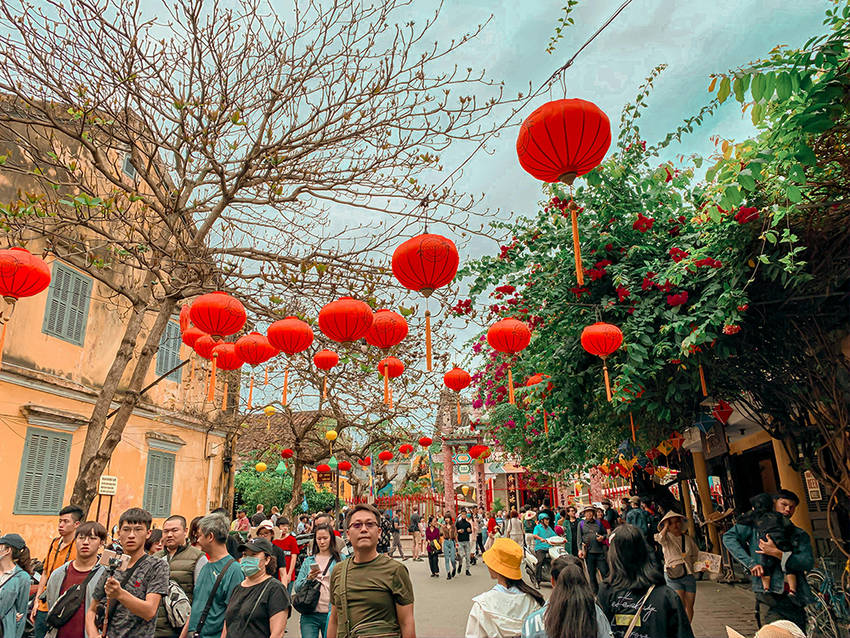
昔の日本では、1月から12月までの月の呼び方は次のようになっていました。
1月:睦月(むつき)
2月:如月(きさらぎ)
3月:弥生(やよい)
4月:卯月(うづき)
5月:皐月(さつき)
6月:水無月(みなづき)
7月:文月(ふみづき)
8月:葉月(はづき)
9月:長月(ながつき)
10月:神無月(かんなづき)
11月:霜月(しもつき)
12月:師走(しわす)
これらの月の呼び方は、季節や自然現象、行事などに関連したものが多く、古来から日本で使われてきました。日常的な日本語の会話の中でこの旧暦を使うことは少なくなっています。しかし、今でも行事などでは使われることがあります。
旧暦が使われたアニメの例としては、以下のような作品があります。
1. 「おおきく振りかぶって」:この作品は、高校野球を題材にしたアニメで、春の選抜大会や夏の甲子園大会など、日本の野球文化や伝統的な行事が描かれています。時折、旧暦の月の呼び方や季節の移り変わりが登場することがあります。
2. 「ちはやふる」:このアニメは、かるたを題材にした作品で、主人公たちがかるたの大会や練習を通じて成長していく姿が描かれています。日本の伝統的な行事や季節の移り変わりが描写される中で、旧暦の月の呼び方が登場することがあります。
3. 「刀剣乱舞」:この作品は、戦国時代の刀剣を擬人化したキャラクターたちが活躍するアニメで、歴史的な背景や伝統的な行事が重要な要素として登場します。その中で、旧暦の月の呼び方や季節の移り変わりが描かれることがあります。
4. 「新世紀エヴァンゲリオン」:この作品では、神話や宗教的な要素が多く取り入れられており、その中に旧暦の月の呼び方や季節の移り変わりが時折登場します。
5. 「幕末機関説 いろはにほへと」:このアニメは、幕末の時代にタイムスリップした少年たちが活躍する作品であり、幕末の風俗や行事、そして旧暦の月の呼び方が描かれます。
6. 「境界の彼方」:この作品は、ファンタジー要素を含む青春アクション作品で、妖怪や異世界などの要素が取り入れられています。その中で、旧暦の月の呼び方や季節の移り変わりが一部のエピソードで登場します。
これらの作品では、日本の伝統的な行事や季節感をより深く表現するために、旧暦の要素が取り入れられています。また、月だけではありません。江戸時代の時間の呼び方も今とは違っていました。次回は時間についてお話したいと思います。
1月:睦月(むつき)
2月:如月(きさらぎ)
3月:弥生(やよい)
4月:卯月(うづき)
5月:皐月(さつき)
6月:水無月(みなづき)
7月:文月(ふみづき)
8月:葉月(はづき)
9月:長月(ながつき)
10月:神無月(かんなづき)
11月:霜月(しもつき)
12月:師走(しわす)
これらの月の呼び方は、季節や自然現象、行事などに関連したものが多く、古来から日本で使われてきました。日常的な日本語の会話の中でこの旧暦を使うことは少なくなっています。しかし、今でも行事などでは使われることがあります。
旧暦が使われたアニメの例としては、以下のような作品があります。
1. 「おおきく振りかぶって」:この作品は、高校野球を題材にしたアニメで、春の選抜大会や夏の甲子園大会など、日本の野球文化や伝統的な行事が描かれています。時折、旧暦の月の呼び方や季節の移り変わりが登場することがあります。
2. 「ちはやふる」:このアニメは、かるたを題材にした作品で、主人公たちがかるたの大会や練習を通じて成長していく姿が描かれています。日本の伝統的な行事や季節の移り変わりが描写される中で、旧暦の月の呼び方が登場することがあります。
3. 「刀剣乱舞」:この作品は、戦国時代の刀剣を擬人化したキャラクターたちが活躍するアニメで、歴史的な背景や伝統的な行事が重要な要素として登場します。その中で、旧暦の月の呼び方や季節の移り変わりが描かれることがあります。
4. 「新世紀エヴァンゲリオン」:この作品では、神話や宗教的な要素が多く取り入れられており、その中に旧暦の月の呼び方や季節の移り変わりが時折登場します。
5. 「幕末機関説 いろはにほへと」:このアニメは、幕末の時代にタイムスリップした少年たちが活躍する作品であり、幕末の風俗や行事、そして旧暦の月の呼び方が描かれます。
6. 「境界の彼方」:この作品は、ファンタジー要素を含む青春アクション作品で、妖怪や異世界などの要素が取り入れられています。その中で、旧暦の月の呼び方や季節の移り変わりが一部のエピソードで登場します。
これらの作品では、日本の伝統的な行事や季節感をより深く表現するために、旧暦の要素が取り入れられています。また、月だけではありません。江戸時代の時間の呼び方も今とは違っていました。次回は時間についてお話したいと思います。
The Lunar Calendar in Japan
In ancient Japan, people had different names for the months of the year. They previously called January through December:
- January: Mutsuki
- February: Kisaragi
- March: Yayoi
- April: Uzuki
- May: Satsuki
- June: Minazuki
- July: Fumizuki
- August: Hazuki
- September: Nagatsuki
- October: Kanna-zuki
- November: Shimotsuki
- December: Shiwasu
Many of these month names relate to seasons, natural phenomena, and events, and Japanese people have used them since ancient times. While Japanese people don’t use this lunar calendar in everyday conversations as much anymore, they still use it in some events.
Several animes incorporate elements of the lunar calendar, including:
1. Big Windup!: This anime depicts Japanese baseball culture and traditional events, occasionally referring to the lunar calendar's call of the moon and the changing seasons.
2. Chihayafuru: Based on karuta, this anime shows traditional Japanese events and changing seasons, sometimes referring to the lunar calendar's month names.
3. Touken Ranbu: This anime features anthropomorphic sword characters from the Warring States period, incorporating historical backgrounds and traditional events, including the lunar calendar's months and changing seasons.
4. Neon Genesis Evangelion: Incorporating mythological and religious elements, this anime occasionally mentions the lunar months and changing seasons.
5. Bakumatsu Kikansetsu Irohanihoheto: Following the adventures of boys traveling back in time to the end of the Edo period, this anime depicts customs, events, and the lunar calendar's month names.
6. Beyond the Boundary: This fantasy action anime incorporates elements of yokai and other worlds, occasionally referring to the lunar calendar's months and changing seasons.
These animes incorporate elements of the lunar calendar to better express traditional Japanese events and seasons. It's not just the moon; the way the Edo period expressed time was also different from how it’s done today, which we'll discuss in the next issue.
Several animes incorporate elements of the lunar calendar, including:
1. Big Windup!: This anime depicts Japanese baseball culture and traditional events, occasionally referring to the lunar calendar's call of the moon and the changing seasons.
2. Chihayafuru: Based on karuta, this anime shows traditional Japanese events and changing seasons, sometimes referring to the lunar calendar's month names.
3. Touken Ranbu: This anime features anthropomorphic sword characters from the Warring States period, incorporating historical backgrounds and traditional events, including the lunar calendar's months and changing seasons.
4. Neon Genesis Evangelion: Incorporating mythological and religious elements, this anime occasionally mentions the lunar months and changing seasons.
5. Bakumatsu Kikansetsu Irohanihoheto: Following the adventures of boys traveling back in time to the end of the Edo period, this anime depicts customs, events, and the lunar calendar's month names.
6. Beyond the Boundary: This fantasy action anime incorporates elements of yokai and other worlds, occasionally referring to the lunar calendar's months and changing seasons.
These animes incorporate elements of the lunar calendar to better express traditional Japanese events and seasons. It's not just the moon; the way the Edo period expressed time was also different from how it’s done today, which we'll discuss in the next issue.
sign up for the Japanese-Online Newsletter
__..-・**・-..__..-・**・-.._ あいうえお かきくけこ さしすせそ たちつてと なにぬねの はひふへほ まみむめも やいゆえよ らりるれろ わゐうゑを ん __..-・**・-..__..-・**・-.._
#JapaneseOnline #LearningJapanese #FreeJapaneseLessons #JapaneseVideoLearning #JapaneseAnime #Anime #JapaneseFood #Bloguru