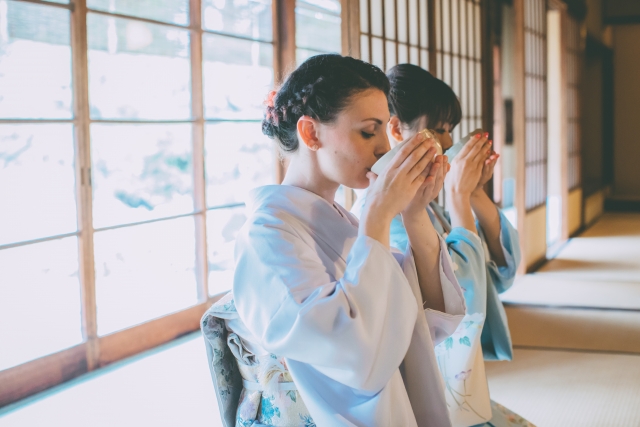
日本の文化では、「品(ひん)」という言葉が人や物の状態を表す際に重要な役割を果たします。この「品」は、品格や品性を指し、その質が高いか低いかを表します。品が良いことを「上品(じょうひん)」と言い、品が悪いことを「下品(げひん)」と言います。
「上品」とは、礼儀正しさや思慮深さ、そして高い教養や知識を持っていることを意味します。日本の文化では、上品さは特に重視され、社会的な地位や人間関係においても重要な役割を果たします。
一方、「下品」は、失礼な言動や粗雑な態度、そして不道徳な行為を指します。下品さは社会的に非難され、人々から避けられる傾向があります。
品とは、「品格」を表す言葉であり、その概念の起源は仏教の考え方にあります。仏教では、人々の行いによって死後の世界での行き先が決まるとされています。そして、その行先には「上品上生」「上品中生」「上品下生」「中品上生」「中品中生」「中品下生」「下品上生」「下品中生」「下品下生」という九種の階位が存在するとされています。
「上品上生」は、品格の高い人々が享受するとされる最も高い階位であり、極楽浄土とも呼ばれる極めて幸福な世界に生まれ変わることを意味します。「上品中生」「上品下生」は、やはり品格の高い人々が生まれ変わる世界ですが、それほど極端に幸福な世界ではなく、若干の苦しみを経験するとされます。
一方、「中品上生」「中品中生」「中品下生」は、普通の人々が生まれ変わる世界であり、幸福と苦しみが程度として平均的な状態です。「下品上生」「下品中生」「下品下生」は、品格の低い人々が生まれ変わる世界であり、苦しみが極めて大きいとされます。
この考え方から、品格の良い人は「上品」と称され、品格の悪い人は「下品」と呼ばれるようになりました。品格の向上や善行の実践は、仏教徒にとって重要な価値観であり、より良い生まれ変わりを迎えるための努力とされています。
現代の日本社会では、マナーや行動が粗野で不適切な人々を「下品」と表現します。マナーや行動が他者に対して無礼であったり、社会的な規範にそぐわない場合、その人は「下品だ」と評されることがあります。海外の常識は場合によっては日本では「下品」な行動になる場合がありますので気をつけたいものです。
「上品」とは、礼儀正しさや思慮深さ、そして高い教養や知識を持っていることを意味します。日本の文化では、上品さは特に重視され、社会的な地位や人間関係においても重要な役割を果たします。
一方、「下品」は、失礼な言動や粗雑な態度、そして不道徳な行為を指します。下品さは社会的に非難され、人々から避けられる傾向があります。
品とは、「品格」を表す言葉であり、その概念の起源は仏教の考え方にあります。仏教では、人々の行いによって死後の世界での行き先が決まるとされています。そして、その行先には「上品上生」「上品中生」「上品下生」「中品上生」「中品中生」「中品下生」「下品上生」「下品中生」「下品下生」という九種の階位が存在するとされています。
「上品上生」は、品格の高い人々が享受するとされる最も高い階位であり、極楽浄土とも呼ばれる極めて幸福な世界に生まれ変わることを意味します。「上品中生」「上品下生」は、やはり品格の高い人々が生まれ変わる世界ですが、それほど極端に幸福な世界ではなく、若干の苦しみを経験するとされます。
一方、「中品上生」「中品中生」「中品下生」は、普通の人々が生まれ変わる世界であり、幸福と苦しみが程度として平均的な状態です。「下品上生」「下品中生」「下品下生」は、品格の低い人々が生まれ変わる世界であり、苦しみが極めて大きいとされます。
この考え方から、品格の良い人は「上品」と称され、品格の悪い人は「下品」と呼ばれるようになりました。品格の向上や善行の実践は、仏教徒にとって重要な価値観であり、より良い生まれ変わりを迎えるための努力とされています。
現代の日本社会では、マナーや行動が粗野で不適切な人々を「下品」と表現します。マナーや行動が他者に対して無礼であったり、社会的な規範にそぐわない場合、その人は「下品だ」と評されることがあります。海外の常識は場合によっては日本では「下品」な行動になる場合がありますので気をつけたいものです。
The Difference Between “Jouhin” and “Gehin” in Japanese
In Japanese culture, the word “hin” plays an important role in describing a person’s or object’s current state. People use this word to imply if something is of high quality or low quality, while referring to the object’s overall quality and character. In Japanese, “jouhin” means sophistication, and “gehin” means vulgarity.
The word “jouhin” implies politeness, thoughtfulness, and a high level of education and knowledge. In Japanese culture, people value sophistication, which is important in social status and relationships.
“Gehin,” however, refers to rude speech, coarse attitudes, and immoral behavior. Vulgarity is socially reprehensible, so people generally avoid it.
The word “hin” is a term for the quality of character, and the concept originates in Buddhist beliefs. In Buddhism, people’s conduct determines their destination in the afterlife. There are nine levels of afterlife: “joubon-joushou,” “joubon-chuushou,” “joubon-geshou,” “chuubon-joushou,” “chuubon-chuushou,” “chuubon-geshou,” “gebon-joushou,” “gebon-chuushou,” “gebon-geshou” (“bon” shares the same character as “hin”).
“Joubon-joushou” (upper grade, upper birth) is the highest of the nine, and high-ranking people enjoy this level of the afterlife since it demonstrates rebirth as an extremely happy world, which is also known as the Pure Land of Paradise. “Joubon-chuushou” (upper grade, middle birth) and “joubon-geshou” (upper grade, lower birth) are also the worlds where high-ranking people are reborn, but are not nearly as happy as they experience some suffering.
On the other hand, “chuubon-joushou” (middle grade, upper birth), “chuubon-chuushou” (middle grade, middle birth), and “chuubon-geshou” (middle grade, lower birth) are worlds where ordinary people are reborn, and the levels of happiness and suffering are moderate. In the “gebon-joushou” (lower grade, upper birth), “gebon-chuushou” (lower grade, middle birth), “gebon-geshou” (lower grade, lower birth) worlds, low-ranking people are reborn, and their suffering is more extreme.
Based on this concept, they call more dignified people “jouhin” and they call less dignified people a “gehin.” Improving one’s dignity and practicing good deeds are important values for Buddhists, and many believe these efforts will lead to a better reincarnation.
In contemporary Japanese society, people label individuals with crude and inappropriate manners as “gehin.” People may describe someone as “gehin” if their manners and behavior are disrespectful to others or don’t conform to social norms. It is important to be aware that in Japan, Japanese people may consider what is common practice overseas as “gehin."
sign up for the Japanese-Online Newsletter
__..-・**・-..__..-・**・-.._ あいうえお かきくけこ さしすせそ たちつてと なにぬねの はひふへほ まみむめも やいゆえよ らりるれろ わゐうゑを ん __..-・**・-..__..-・**・-.._
#JapaneseOnline #LearningJapanese #FreeJapaneseLessons #JapaneseVideoLearning #JapaneseAnime #Anime #JapaneseFood #Bloguru