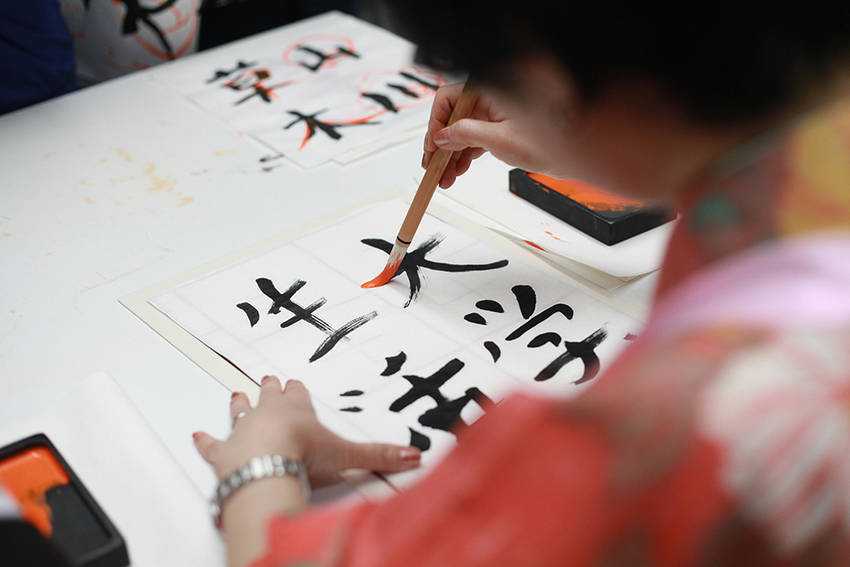
日本語で漢字、ひらがな、カタカナ、ローマ字が使われる理由は、歴史的な経緯や各文字体系の特性に由来しています。
1. 漢字(Kanji):
漢字は中国から日本に伝わった文字であり、日本語の語彙の一部を表します。漢字は単語や概念を表すのに適しており、文章の中で重要な役割を果たします。漢字を使うことで、同音異義語の区別や語彙の多様性が表現できます。
2. ひらがな(Hiragana):
ひらがなは、日本独自の文字であり、主に助詞や助動詞、活用語尾などの文法的な要素を表します。また、子供や初心者向けの読みやすい表記方法としても用いられます。ひらがなは、漢字の振り仮名としても使われ、難しい漢字の読み方を示す役割も果たします。
3. カタカナ(Katakana):
カタカナもまた、日本独自の文字であり、外来語や固有名詞、科学用語など外国由来の単語を表記するのに使われます。カタカナは、語彙の借用や新しい概念の導入に役立ちます。また、強調や特殊な意味付けのためにも使われます。
4. ローマ字(Romaji):
ローマ字は、アルファベットを用いた文字表記方法であり、日本語を学習する外国人や、電子メールやインターネットなどのデジタルコミュニケーションで便利です。また、外国語や専門用語を表記する際にも利用されます。
これらの文字体系が組み合わさることで、日本語は多様な情報を効果的に伝えることができます。日本語の正しい発音を学ぶ際に、ローマ字で表記することで日本語の発音を崩してしまう可能性があります。例えば、「こんにちは」をローマ字で表記すると"Konnichiwa"となり、「こんにちは」との発音が異なってしまいます。これは、ローマ字において単体の"n" を「ん」と発音することがないためです。日本語の音韻体系では、「ん」は単独で発音されることがありますが、ローマ字ではその表現がないため、正確な発音を表現することが難しくなります。
そのため、日本語の発音を正確に学ぶ場合には、ローマ字よりもひらがなやカタカナを使用した学習がより適切です。これらの仮名文字は、日本語の発音を直接表現するために設計されており、正確な発音の理解に役立ちます。また、実際に日本語を聞き取ったり話したりすることで、自然な発音を身につけることができます。
1. 漢字(Kanji):
漢字は中国から日本に伝わった文字であり、日本語の語彙の一部を表します。漢字は単語や概念を表すのに適しており、文章の中で重要な役割を果たします。漢字を使うことで、同音異義語の区別や語彙の多様性が表現できます。
2. ひらがな(Hiragana):
ひらがなは、日本独自の文字であり、主に助詞や助動詞、活用語尾などの文法的な要素を表します。また、子供や初心者向けの読みやすい表記方法としても用いられます。ひらがなは、漢字の振り仮名としても使われ、難しい漢字の読み方を示す役割も果たします。
3. カタカナ(Katakana):
カタカナもまた、日本独自の文字であり、外来語や固有名詞、科学用語など外国由来の単語を表記するのに使われます。カタカナは、語彙の借用や新しい概念の導入に役立ちます。また、強調や特殊な意味付けのためにも使われます。
4. ローマ字(Romaji):
ローマ字は、アルファベットを用いた文字表記方法であり、日本語を学習する外国人や、電子メールやインターネットなどのデジタルコミュニケーションで便利です。また、外国語や専門用語を表記する際にも利用されます。
これらの文字体系が組み合わさることで、日本語は多様な情報を効果的に伝えることができます。日本語の正しい発音を学ぶ際に、ローマ字で表記することで日本語の発音を崩してしまう可能性があります。例えば、「こんにちは」をローマ字で表記すると"Konnichiwa"となり、「こんにちは」との発音が異なってしまいます。これは、ローマ字において単体の"n" を「ん」と発音することがないためです。日本語の音韻体系では、「ん」は単独で発音されることがありますが、ローマ字ではその表現がないため、正確な発音を表現することが難しくなります。
そのため、日本語の発音を正確に学ぶ場合には、ローマ字よりもひらがなやカタカナを使用した学習がより適切です。これらの仮名文字は、日本語の発音を直接表現するために設計されており、正確な発音の理解に役立ちます。また、実際に日本語を聞き取ったり話したりすることで、自然な発音を身につけることができます。
Kanji, Hiragana, Katakana, and Romaji
The historical background and characteristics of each writing system drive the use of kanji, hiragana, katakana, and romaji in Japanese.
1. Kanji:
Japanese people adopted kanji from China, and it represents some of the Japanese vocabulary. Kanji is well-suited for expressing words and concepts, playing a crucial role in writing. It helps distinguish homonyms and contributes to lexical diversity.
2. Hiragana:
Hiragana, a distinctly Japanese script, primarily represents grammatical elements like particles, auxiliary verbs, and conjugated endings. It serves as an easily readable writing system for children and beginners. Hiragana is also used as furigana for kanji, indicating the reading of challenging characters.
3. Katakana:
Katakana, another uniquely Japanese script, is something Japanese people use for writing words of foreign origin, including foreign words, proper nouns, and scientific terms. It helps when borrowing vocabulary and introducing new concepts, and you can use it to emphasize things and convey special connotations.
4. Romaji:
Romaji is an alphabetic writing system useful for foreigners learning Japanese and digital communication, like email and other writing on the internet. They also use romaji to write foreign languages and technical terms.
Collectively, these writing systems let the Japanese language effectively convey a wide range of information. When learning Japanese pronunciation accurately, hiragana and katakana are more suitable than romaji. Romaji can disrupt Japanese pronunciation; for instance, the word "konnichiwa" in romaji is "Konichiwa," which is pronounced differently from "konnichiwa" because they never pronounce the single "n" as "n" in romaji. Hiragana and katakana are designed to represent Japanese pronunciation directly, helping students understand accurate pronunciation. Additionally, students can learn natural pronunciation by actively listening to and speaking Japanese.
sign up for the Japanese-Online Newsletter
__..-・**・-..__..-・**・-.._ あいうえお かきくけこ さしすせそ たちつてと なにぬねの はひふへほ まみむめも やいゆえよ らりるれろ わゐうゑを ん __..-・**・-..__..-・**・-.._
#JapaneseOnline #LearningJapanese #FreeJapaneseLessons #JapaneseVideoLearning #JapaneseAnime #Anime #JapaneseFood #Bloguru