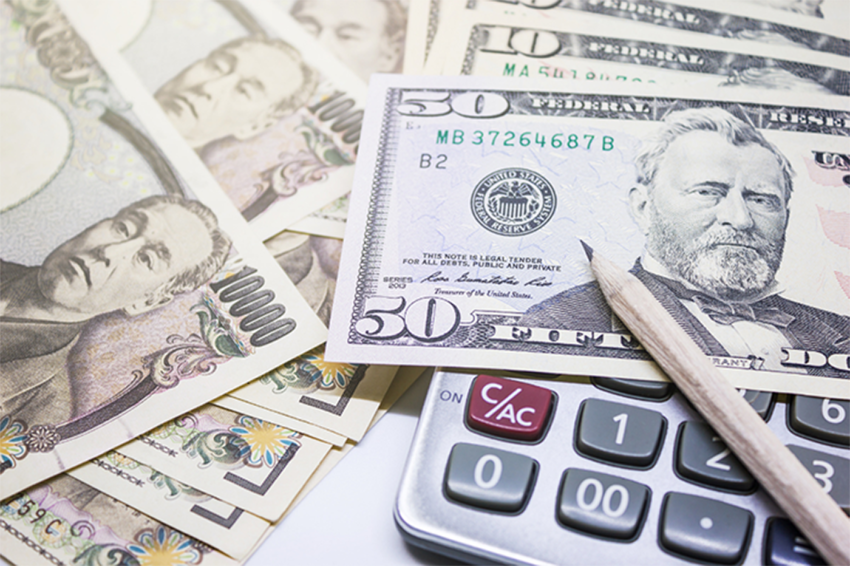
ご存知 の通 り、現在 の日本円 はUS$1 = 151円 という円安 で推移 しており、過去 30年 間 で最 も日本円 が安 く取引 されています。過去 のデータから考 えると、2011年 10月 31日 に円 は過去 最高値 であるUS$1 = 75.32円 を記録 しています。当時 と比 べると、日本円 は半分 以下 の価格 で取引 されていることになります。
この円安 が何 を意味 しているのでしょうか。それは日本 国内 の物価 が歴史的 に見 て非常 に安 く見 えるということです。例 えば、日本 を訪 れた際 に買 い物 をする100円 ショップでは、1商品 (100円 )が$0.67という価格 になっていることを意味 します。ただし、これは日本 国内 の物価 が安 いという意味 ではなく、あくまで海外 から見 た場合 の日本 国内 の価格 が安 く見 えるということです。
この結果 、現在 、海外 からの観光客 が増 えています。2019年 に日本 を訪 れた海外 からの観光客 は約 3200万 人 でしたが、コロナの影響 で2020年 から2022年 までの3年 間 で観光客 数 は800万 人 まで減少 しました。しかし、2023年 はピーク時 の約 8割 ほどまで回復 しています。特 に外国 からの観光客 が多 い東京 や京都 ではどこに行 っても外国 の方 が多 いと感 じるようになりました。
ただし、日本 国内 の宿泊 や食事 、お土産 は安 く購入 できても、日本 への旅費 は別 問題 です。コロナ前 と比較 して、旅費 は約 40%ほど高 くなっているように思 えます。今後 も日本円 が安 くなる傾向 は続 くと言 われています。これは日本 製品 の輸入 や日本 へのアウトソーシングを検討 する良 い機会 かもしれません。
As you are aware, the current U.S. dollar to Japanese yen conversion is at US$1 = 151 yen, marking the yen’s weakest position in the past 30 years. Looking at historical data, the yen reached an all-time high of US$1 = 75.32 yen on October 31, 2011. In comparison to that period, the Japanese yen is now trading at less than half of its value in 2011.
What does this depreciation of the yen mean? It means that prices in Japan are remarkably low in comparison to historical standards. For instance, at the 100 yen store you frequent during your visits to Japan, this translates to
$0.67 (or 100 yen) per item in U.S. dollars. However, it’s important to note that this doesn't imply that prices in Japan are inherently cheap; rather, it suggests that prices in Japan give off a perception of affordability when viewing them from overseas.
Consequently, there is a current uptick in the number of foreign tourists. In 2019, approximately 32 million foreign tourists visited Japan, but due to the pandemic, the numbers dwindled to just eight million from 2020 to 2022. Nevertheless, by 2023, it has since rebounded to around 80% of its peak. Today, the presence of many foreigners is palpable wherever you go in Japan, particularly in Tokyo and Kyoto, which are popular cities among foreign tourists.
Even though foreigners can acquire accommodations, meals, and souvenirs in Japan at a discounted rate, travel expenses to Japan present a different scenario. In comparison to the pre-pandemic era, travel costs are approximately 40% higher, and they anticipate that this trend of yen depreciating over time will persist. Therefore, this could be an opportune time to contemplate importing Japanese goods or outsourcing to Japan.

sign up for the Japanese-Online Newsletter
__..-・**・-..__..-・**・-.._ あいうえお かきくけこ さしすせそ たちつてと なにぬねの はひふへほ まみむめも やいゆえよ らりるれろ わゐうゑを ん __..-・**・-..__..-・**・-.._
#JapaneseOnline #LearningJapanese #FreeJapaneseLessons #JapaneseVideoLearning #JapaneseAnime #Anime #JapaneseFood #Bloguru
この
この
ただし、
The Meaning Behind the Weak Yen
As you are aware, the current U.S. dollar to Japanese yen conversion is at US$1 = 151 yen, marking the yen’s weakest position in the past 30 years. Looking at historical data, the yen reached an all-time high of US$1 = 75.32 yen on October 31, 2011. In comparison to that period, the Japanese yen is now trading at less than half of its value in 2011.
What does this depreciation of the yen mean? It means that prices in Japan are remarkably low in comparison to historical standards. For instance, at the 100 yen store you frequent during your visits to Japan, this translates to
$0.67 (or 100 yen) per item in U.S. dollars. However, it’s important to note that this doesn't imply that prices in Japan are inherently cheap; rather, it suggests that prices in Japan give off a perception of affordability when viewing them from overseas.
Consequently, there is a current uptick in the number of foreign tourists. In 2019, approximately 32 million foreign tourists visited Japan, but due to the pandemic, the numbers dwindled to just eight million from 2020 to 2022. Nevertheless, by 2023, it has since rebounded to around 80% of its peak. Today, the presence of many foreigners is palpable wherever you go in Japan, particularly in Tokyo and Kyoto, which are popular cities among foreign tourists.
Even though foreigners can acquire accommodations, meals, and souvenirs in Japan at a discounted rate, travel expenses to Japan present a different scenario. In comparison to the pre-pandemic era, travel costs are approximately 40% higher, and they anticipate that this trend of yen depreciating over time will persist. Therefore, this could be an opportune time to contemplate importing Japanese goods or outsourcing to Japan.
sign up for the Japanese-Online Newsletter
__..-・**・-..__..-・**・-.._ あいうえお かきくけこ さしすせそ たちつてと なにぬねの はひふへほ まみむめも やいゆえよ らりるれろ わゐうゑを ん __..-・**・-..__..-・**・-.._
#JapaneseOnline #LearningJapanese #FreeJapaneseLessons #JapaneseVideoLearning #JapaneseAnime #Anime #JapaneseFood #Bloguru