さらに、
ただし、
1948
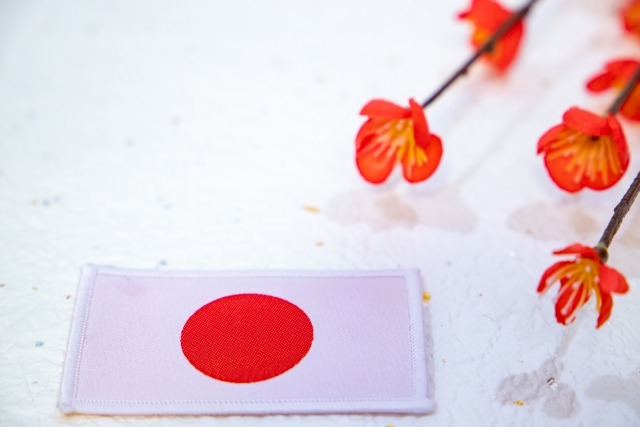
Japan is the oldest nation in the world
Japan is often referred to as the "oldest nation in the world" because of its historical background. Japan has a very long history, and its continued reestablishment since ancient times has led to such an expression to be used.
Japan's history began around the 3rd century B.C., during which many eras and dynasties rose and fell. The earliest states mentioned are the Yamato or Asuka Period dynasties, which lasted from the Kofun to Nara periods. Then there was a historical transition from the Nara Period to the Heian Period, during which the capital moved to Heian-kyo.
Furthermore, Japanese history is divided into various historical periods, such as the Kamakura Period, Muromachi Period, Sengoku Period, and Edo Period, each of which having its own unique characteristics. Then, in 1868, the Meiji Restoration took place, transforming Japan from the feudal system at the end of the Edo period to a modern nation.
Japan's National Foundation Day is February 11, the day on which Emperor Jinmu is said to have ascended to the throne (believed to be 660 AD), and is a national holiday every year. This day is also known as "Kigen-Setsu," and was designated as National Foundation Day because Emperor Jinmu's accession to the throne is considered to be the origin of the founding of Japan.
However, the existence of Emperor Jinmu is disputed, and some people believe that he is one of many myths and legends. National Foundation Day is an important day in Japanese tradition and culture, and exists as a public holiday.
Until 1948, National Foundation Day was observed on January 11, but a subsequent amendment to the law changed the date to February 11, establishing it as the new Kenkoku Kinenbi (National Foundation Day).
sign up for the Japanese-Online Newsletter
__..-・**・-..__..-・**・-.._ あいうえお かきくけこ さしすせそ たちつてと なにぬねの はひふへほ まみむめも やいゆえよ らりるれろ わゐうゑを ん __..-・**・-..__..-・**・-.._
#JapaneseOnline #LearningJapanese #FreeJapaneseLessons #JapaneseVideoLearning #JapaneseAnime #Anime #JapaneseFood #Bloguru