お
お
1.
2. お
3.
4. ビジネスシーンや
5. お
お
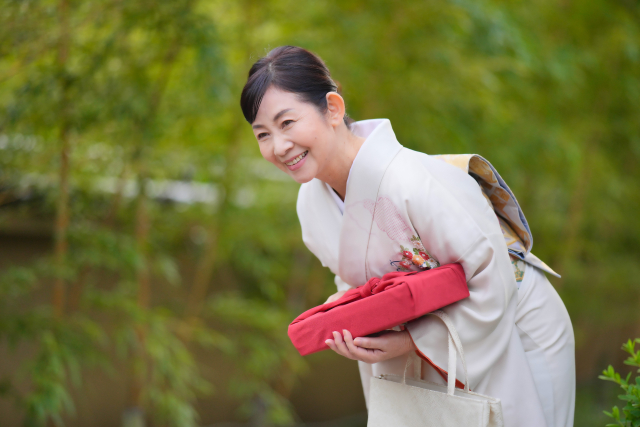
Bowing
Today we’ll go over the cultural background and meaning of bowing.
An expression of respect and humility
Bowing expresses respect and humility toward the other person. It conveys that you respect and are trying to cooperate with the other person.
Politeness and social rules
Japanese people highly value polite behavior, so bowing is very important in maintaining social harmony since it’s a part of business etiquette.
Nonverbal Communication
Bowing serves as a way of communicating feelings and attitudes without using words. It helps express appreciation, respect, and humility that are difficult to convey through words alone.
Social Hierarchy and Roles
Japanese culture emphasizes social hierarchy and roles, and bowing is an important element in indicating roles and positions within that hierarchy. By bowing deeply to superiors and elders, we show our respect and awe for them.
To ensure proper bowing, keep the following in mind:
1. Avoid excessive bowing. Keep in mind that the depth of the bow should be appropriate for the person or situation.
2. Know when to bow appropriately. Avoid bowing during a conversation or while the other person is speaking.
3. Avoid bowing with a political message or statement as it’s generally a neutral action.
4. In business or formal settings, people generally bow, but it isn’t necessarily required in personal or informal spaces.
5. When bowing, do so quietly and without shouting.
Bowing is the basis of smooth communication, but please remember the above points to do so respectfully.
sign up for the Japanese-Online Newsletter
__..-・**・-..__..-・**・-.._ あいうえお かきくけこ さしすせそ たちつてと なにぬねの はひふへほ まみむめも やいゆえよ らりるれろ わゐうゑを ん __..-・**・-..__..-・**・-.._
#JapaneseOnline #LearningJapanese #FreeJapaneseLessons #JapaneseVideoLearning #JapaneseAnime #Anime #JapaneseFood #Bloguru