お盆 は日本 の仏教 の伝統的 な行事 で、先祖 の霊 を迎 え、供養 するために行 われます。毎年 8月 15日 を中心 に、一般的 には期間 として8月 13日 から8月 16日 までの4日間 に渡 ります。ただし、地域 によっては異 なる日程 で行 われる場合 もあります。
お盆 の間 、家族 や親戚 は亡 くなった先祖 の霊 を迎 えるために、特別 な儀式 や行事 を行 います。一般的 には、墓参 りや仏壇 での供養 、お供 え物 の準備 などをします。
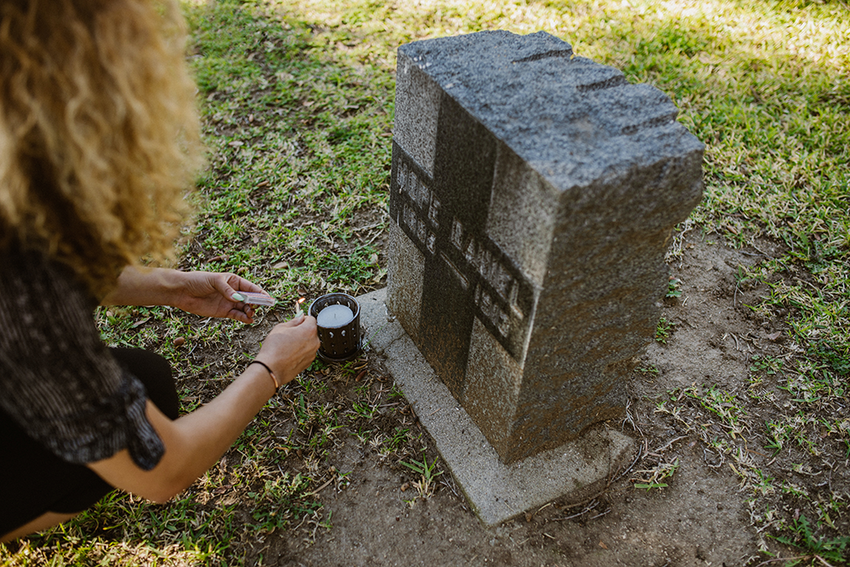
墓参 りは、お盆 期間 中 に行 われる最 も重要 な儀式 の一 つです。家族 は墓地 に集 まり、亡 くなった先祖 の墓前 で祈 りを捧 げ、供養 のためのお線香 やお花 、食 べ物 などを供 えます。また、墓石 の清掃 もします。墓参 りは、先祖 への感謝 や思 い出 を新 たにし、繋 がりを感 じるための大切 な行 事 とされています。
家 に先祖 の霊 を迎 えるため、仏壇 や位牌 を特別 に飾 りつけたり、食 べ物 や飲 み物 も準備 します。仏壇 前 で祈 りを捧 げ、先祖 の霊 に感謝 の気持 ちを伝 えます。
また、お盆 期間 中 には、地域 ごとに盆踊 りや花火 大会 などのお祭 りも行 われ、地域 の人々 が一体 となって楽 しむこともあります。
ただ、最近 では都市 化 や核家族 化 により、お盆 の風習 や行事 が変化 しつつあります。お盆休 みを利用 して旅行 を楽 しむ人 もいます。また、宗教的 な意味合 いよりも、お盆 は夏休 みや家族 の再会 の機会 として捉 えられることもあります。お盆 期間 には多 くの人 が故郷 や実家 に帰省 し、家族 や親戚 との時間 を過 ごします。
お盆 は日本 の文化 や伝統 に深 く根 ざした、日本人 にとって大切 な行事 です。それぞれの家庭 や地域 によって異 なる形 で行 われることもありますが、先祖 への感謝 や思 い出 を新 たにし、家族 や地域 の絆 を深 める機会 として重要視 されています。
Obon and Grave Visitation
Obon is a traditional Japanese Buddhist event where people welcome and honor the spirits of their ancestors. It’s usually on August 15 each year, and generally lasts four days, from August 13 to August 16. However, different regions may hold the event on different dates.
During Obon, families and relatives welcome their deceased ancestors’ spirits with special ceremonies. Generally, they visit graves, make offerings at Buddhist altars, and prepare offerings.
Visiting the graves is one of the most important ceremonies held during the Obon period. Families gather at the cemetery to pray before their deceased ancestors’ graves and offer incenses, flowers, and food for memorial services. They also clean the gravestones. Visiting the graves is an important event to renew gratitude and memories of ancestors and to feel connected to them.
To welcome the spirits of ancestors into the house, people decorate the altar and tablets in a special manner, and they prepare food and drinks as well. They offer prayers in front of the Buddhist altar to express gratitude to their ancestors’ spirits.
During the Obon period, every community also holds festivals such as Bon dances and fireworks displays, which are enjoyed as a united community.
Recently, however, urbanization and the shift toward nuclear families are changing Obon customs and events are changing. Some people take advantage of Obon holidays to enjoy traveling. In addition, rather than viewing it for its religious significance, some see Obon as an opportunity for summer vacation and family reunions. During the Obon period, many people return to their hometowns or parents’ homes to spend time with family and relatives.
Obon is an important event for Japanese people, deeply rooted in Japanese culture and tradition. Although every family and region may observe Obon differently, it’s still considered an important opportunity to express gratitude to ancestors, renew memories, and strengthen family and community ties.
sign up for the Japanese-Online Newsletter
__..-・**・-..__..-・**・-.._ あいうえお かきくけこ さしすせそ たちつてと なにぬねの はひふへほ まみむめも やいゆえよ らりるれろ わゐうゑを ん __..-・**・-..__..-・**・-.._
#JapaneseOnline #LearningJapanese #FreeJapaneseLessons #JapaneseVideoLearning #JapaneseAnime #Anime #JapaneseFood #Bloguru
お
また、お
ただ、
お
Obon and Grave Visitation
Obon is a traditional Japanese Buddhist event where people welcome and honor the spirits of their ancestors. It’s usually on August 15 each year, and generally lasts four days, from August 13 to August 16. However, different regions may hold the event on different dates.
During Obon, families and relatives welcome their deceased ancestors’ spirits with special ceremonies. Generally, they visit graves, make offerings at Buddhist altars, and prepare offerings.
Visiting the graves is one of the most important ceremonies held during the Obon period. Families gather at the cemetery to pray before their deceased ancestors’ graves and offer incenses, flowers, and food for memorial services. They also clean the gravestones. Visiting the graves is an important event to renew gratitude and memories of ancestors and to feel connected to them.
To welcome the spirits of ancestors into the house, people decorate the altar and tablets in a special manner, and they prepare food and drinks as well. They offer prayers in front of the Buddhist altar to express gratitude to their ancestors’ spirits.
During the Obon period, every community also holds festivals such as Bon dances and fireworks displays, which are enjoyed as a united community.
Recently, however, urbanization and the shift toward nuclear families are changing Obon customs and events are changing. Some people take advantage of Obon holidays to enjoy traveling. In addition, rather than viewing it for its religious significance, some see Obon as an opportunity for summer vacation and family reunions. During the Obon period, many people return to their hometowns or parents’ homes to spend time with family and relatives.
Obon is an important event for Japanese people, deeply rooted in Japanese culture and tradition. Although every family and region may observe Obon differently, it’s still considered an important opportunity to express gratitude to ancestors, renew memories, and strengthen family and community ties.
sign up for the Japanese-Online Newsletter
__..-・**・-..__..-・**・-.._ あいうえお かきくけこ さしすせそ たちつてと なにぬねの はひふへほ まみむめも やいゆえよ らりるれろ わゐうゑを ん __..-・**・-..__..-・**・-.._
#JapaneseOnline #LearningJapanese #FreeJapaneseLessons #JapaneseVideoLearning #JapaneseAnime #Anime #JapaneseFood #Bloguru