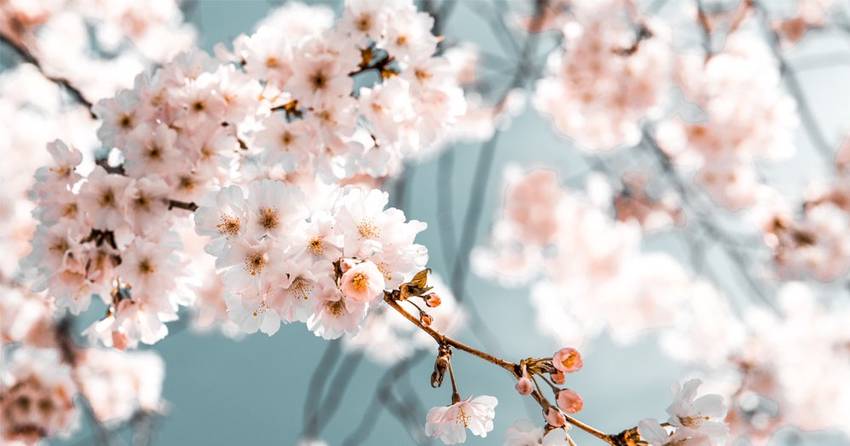
桜
また
「
Sakura
Cherry blossoms, or “sakura” in Japanese, hold a special significance to the Japanese. They’re a symbol of the beauty and fragility of life and represent the ephemeral nature of existence. The blossoms bloom for a brief period, usually for just one or two weeks, before falling to the ground. This reminds us that life is short and that we should cherish it.
The season when cherry blossoms bloom signifies spring’s arrival. There’s also a culture called “hanami”, where people enjoy festivals and picnics under the cherry blossoms trees in Japan. They have passed this tradition down for centuries, and people have fun watching the beauty of nature and the changing of the seasons.
Cherry blossoms are also a common motif in Japanese art and literature, often used as a symbol of love, femininity, and the impermanence of all things. Overall, cherry blossoms hold a deep cultural and emotional significance for the Japanese people.
A Look Back at the Sad History
Yokaren (予科練) is the abbreviated name for “Naval Aviator Preparatory Course Trainee” (海軍飛行予科練習生) in the Imperial Japanese Navy. They established the Yokaren in 1934 to train officer candidates in various fields, including navigation, aviation, engineering, and medicine.
During World War II, the Yokaren played a significant role in training the pilots for the kamikaze. The cherry blossom became a symbol of the Yokaren and the kamikaze. They painted cherry blossom flowers on their planes, and the seven buttons on their uniform were cherry blossoms. The cherry blossom was a symbol of the transience of life, and cherry blossoms showed kamikaze pilots’ willingness to sacrifice for the nation.
Today, Japan has constitutionally renounced the use of force to settle international disputes. And the cherry blossom continues as an important symbol of Japan, representing the beauty and fragility of life and the transient nature of all things.
sign up for the Japanese-Online Newsletter
__..-・**・-..__..-・**・-.._ あいうえお かきくけこ さしすせそ たちつてと なにぬねの はひふへほ まみむめも やいゆえよ らりるれろ わゐうゑを ん __..-・**・-..__..-・**・-.._
#JapaneseOnline #LearningJapanese #FreeJapaneseLessons #JapaneseVideoLearning #JapaneseAnime #Anime #JapaneseFood #Bloguru