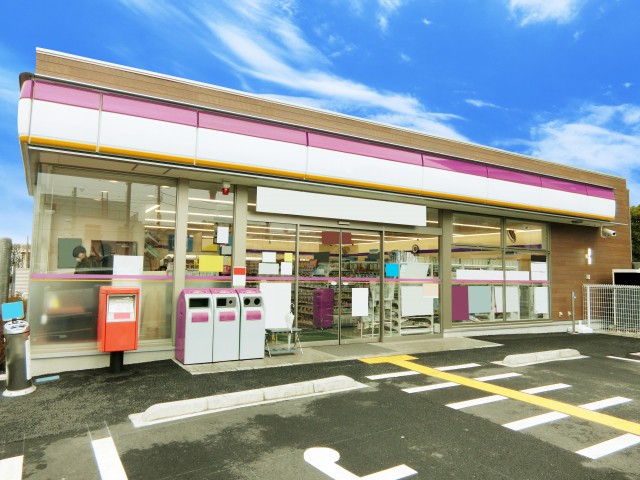
コンビニエンスストア(コンビニ)の
しかし、
1990
また、100
ドラッグストアは、
1960
その
Convenience Stores, 100 Yen Shops, and Drugstores
Convenience stores, 100-yen shops (dollar stores), and drugstores in Japan are attracting attention from around the world as a uniquely Japanese cultural experience. These stores are attractive to people overseas because their services and products are based on Japanese lifestyles and consumer behavior.
Convenience stores (konbini) have a relatively brief history, originating in Japan in the mid-1960s when the American drugstore chain, 7-Eleven, first entered the Japanese market. Following the American model, early konbini stores mainly sold beverages and snacks like ice cream.
However, Japanese convenience stores as we know them today have grown in their own unique way before getting to their current form. Several convenience stores, including FamilyMart, Circle K, and Lawson, emerged in the 1970s, which intensified competition. These convenience stores expanded their product line to include such as bento boxes, rice balls, newspapers, and magazines developed in-house. In the 1980s, they also began operating 24 hours a day, offering services tailored to consumers’ lifestyles.
Since the 1990s, convenience stores have diversified, as they now offer ATMs, post office services, and package delivery services, making them indispensable for many consumers today.
In addition, 100-yen shops offer low-priced yet high-quality products, and daily necessities, stationery, and small gifts are popular. These shops have many fans, not only in Japan but also all over the world. The history of the 100-yen shop is relatively short as it started in Osaka, Japan when the first Daiso opened in 1985.
Drugstores refer to stores that sell pharmaceuticals, health foods, cosmetics, and other products. Drugstores have only recently become popular in Japan, like convenience stores.
In the 1960s, drugstores started in Japan when the first U.S. Walgreens entered Japan. Initially, they mainly sold pharmaceuticals. But over time, the range of products expanded to include cosmetics and healthy foods.
Drugstores in Japan spread rapidly in the 1980s. At the time, consumers couldn’t compare and purchase products on the Internet, so drugstores gained support by offering pharmaceuticals and cosmetics at low prices.
Subsequently, many customers widely supported the distinctive features of a drugstore, such as a wide selection of products and low prices. Today, drugstores don’t just sell pharmaceuticals but also healthy foods, cosmetics, daily necessities, and other products. And they are now widely popular as stores closely related to consumers’ lives. They also staff drugstores with pharmacists, who may offer specialized services such as health counseling and simple drug prescriptions.
sign up for the Japanese-Online Newsletter
__..-・**・-..__..-・**・-.._ あいうえお かきくけこ さしすせそ たちつてと なにぬねの はひふへほ まみむめも やいゆえよ らりるれろ わゐうゑを ん __..-・**・-..__..-・**・-.._
#JapaneseOnline #LearningJapanese #FreeJapaneseLessons #JapaneseVideoLearning #JapaneseAnime #Anime #JapaneseFood #Bloguru