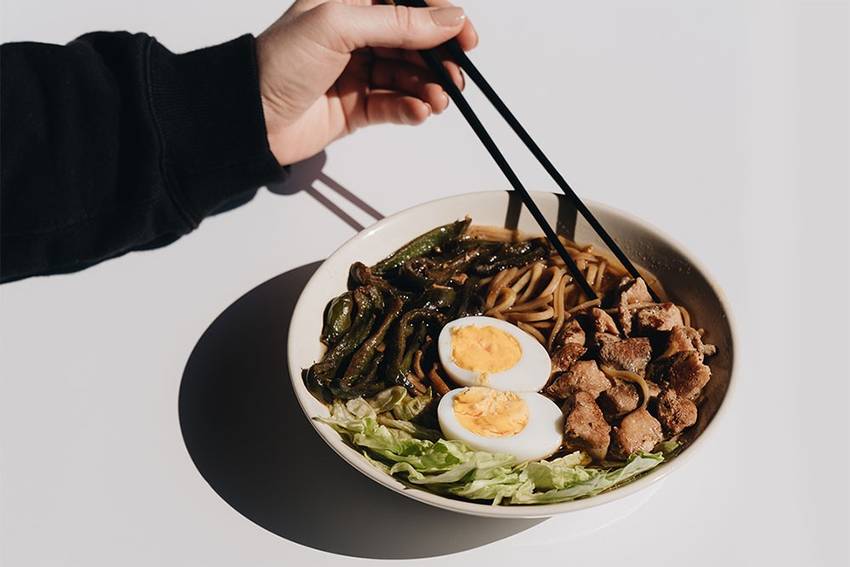
「ホルモン料理 」とは、日本 の食文化 の一 つで、主 に牛 や豚 などの内臓 を使用 した料理 のことを指 します。代表的 なホルモン料理 としては、ホルモン焼 きやもつ鍋 などがあります。
ホルモン焼 きは、特 に屋台 や小 さな店 で親 しまれる郷土 料理 であり、日本 全国 で広 く食 べられています。ホルモン焼 きの具材 には、牛 タン、レバー、心臓 、上 ミノ、ホルモンなど、さまざまな部位 が使 われます。これらの部位 は、下処理 を施 し、塩 やタレで味付 けしてから、焼 きあげます。焼 きあがったホルモンは、お好 みで塩 やレモン汁 、辛子 などを添 えて食 べるのが一般的 です。
「モツ鍋 」とは、豚 のモツ(内臓 )を主 な具材 とした鍋料理 のことです。白菜 、にら、もやし、キャベツ、ニンジンなどの野菜 や、シイタケ、こんにゃく、豆腐 、うどんなど色 んな食材 と合 います。モツ鍋 の特徴 は、煮込 むことでモツが柔 らかくなり、旨味 が出 て、スープにも旨味 が移 ることです。また、醤油 や味噌 、にんにく、ごま油 などで味 を調 え、辛 さを加 える場合 もあります。モツ鍋 は、家 でも食 べられますし、居酒屋 でも提供 されています。
ホルモンは、プロテインやビタミン、ミネラルなどの栄養素 が豊富 で、美容 や健康 に良 いとされています。また、旨味 成分 のイノシン酸 が多 く含 まれているため、美味 しさも人気 の一 つです。ただし、内臓 は消化 機能 を持 っているため、そのまま生 で食 べると健康 に害 を与 える可能性 があります。したがって、ホルモン料理 を食 べる場合 は、適切 な下処理 を行 い、加熱 調理 をすることが重要 です。また、アレルギー体質 の方 は、適量 に留 めておくのが良 いかもしれません。
Fried Beef or Pork Offal Cuisine
"Horumon dishes" are a big part of Japanese food culture and refer to dishes made primarily with the internal organs of cattle and pigs. Typical horumon dishes include horumonyaki and motsu-nabe.
Horumonyaki is a local dish that many people eat and enjoy, especially at food stalls and small restaurants. To make horumonyaki, they use various parts of beef as ingredients, including beef tongue, liver, heart, upper rumen (part of the stomach), and horumon. Cooks pre-treat and season these parts with salt or sauce before grilling. They usually serve the grilled hormone with salt, lemon juice, and spices to taste.
Motsunabe refers to a one-pot dish, which features pork motsu (offal) as the main ingredient. In addition to pork motsu, they may also add various vegetables such as Chinese cabbage, chives, bean sprouts, cabbage, carrots, shiitake mushrooms, konnyaku, tofu, and udon noodles. In motsunabe, the motsu stews, softening the meat and making it more flavorful, which transfers to the broth. Additionally, they can add soy sauce, miso, garlic, and/or sesame oil to enhance the flavor, as well as other seasonings to make it spicier. Usually, people eat motsunabe at home or they’ll find it on the menu at an izakaya.
Horumon is rich in nutrients such as protein, vitamins, and minerals, and so people consider it good for you for both beauty and health reasons. It’s also popular in Japan because it tastes delicious due to its high inosinic content, a flavor component. However, since internal organs have digestive functions, eating them raw would be harmful to health. Therefore, when eating horumon dishes, it’s important to prep and cook them properly with heat. In addition to that, if you have allergies, make sure you pay attention to how much you’re eating.

sign up for the Japanese-Online Newsletter
__..-・**・-..__..-・**・-.._ あいうえお かきくけこ さしすせそ たちつてと なにぬねの はひふへほ まみむめも やいゆえよ らりるれろ わゐうゑを ん __..-・**・-..__..-・**・-.._
#JapaneseOnline #LearningJapanese #FreeJapaneseLessons #JapaneseVideoLearning #JapaneseAnime #Anime #JapaneseFood #Bloguru
ホルモン
「モツ
ホルモンは、プロテインやビタミン、ミネラルなどの
Fried Beef or Pork Offal Cuisine
"Horumon dishes" are a big part of Japanese food culture and refer to dishes made primarily with the internal organs of cattle and pigs. Typical horumon dishes include horumonyaki and motsu-nabe.
Horumonyaki is a local dish that many people eat and enjoy, especially at food stalls and small restaurants. To make horumonyaki, they use various parts of beef as ingredients, including beef tongue, liver, heart, upper rumen (part of the stomach), and horumon. Cooks pre-treat and season these parts with salt or sauce before grilling. They usually serve the grilled hormone with salt, lemon juice, and spices to taste.
Motsunabe refers to a one-pot dish, which features pork motsu (offal) as the main ingredient. In addition to pork motsu, they may also add various vegetables such as Chinese cabbage, chives, bean sprouts, cabbage, carrots, shiitake mushrooms, konnyaku, tofu, and udon noodles. In motsunabe, the motsu stews, softening the meat and making it more flavorful, which transfers to the broth. Additionally, they can add soy sauce, miso, garlic, and/or sesame oil to enhance the flavor, as well as other seasonings to make it spicier. Usually, people eat motsunabe at home or they’ll find it on the menu at an izakaya.
Horumon is rich in nutrients such as protein, vitamins, and minerals, and so people consider it good for you for both beauty and health reasons. It’s also popular in Japan because it tastes delicious due to its high inosinic content, a flavor component. However, since internal organs have digestive functions, eating them raw would be harmful to health. Therefore, when eating horumon dishes, it’s important to prep and cook them properly with heat. In addition to that, if you have allergies, make sure you pay attention to how much you’re eating.
sign up for the Japanese-Online Newsletter
__..-・**・-..__..-・**・-.._ あいうえお かきくけこ さしすせそ たちつてと なにぬねの はひふへほ まみむめも やいゆえよ らりるれろ わゐうゑを ん __..-・**・-..__..-・**・-.._
#JapaneseOnline #LearningJapanese #FreeJapaneseLessons #JapaneseVideoLearning #JapaneseAnime #Anime #JapaneseFood #Bloguru