インターネットなどで
クリスマスのあとは
この
Japanese View of Religion
In Japan, there are many religious groups, mainly Buddhism, Shinto, and Christianity. Because of this, people regularly go to temples, shrines, or churches, depending on the occasion. Weddings and funerals are also variously Buddhist, Shinto, and Christian. Therefore, it is often difficult to answer when people ask what the most common religion is in Japan. In many cases, religion differs depending on the mood of the moment. In that regard, many Japanese people don't have their own religion.
I've heard that Islam doesn't exist in Japan, but it isn't true. Also, there are all Christian denominations, from Catholicism to Protestantism to Jehovah's Witnesses. There's even Mormonism in Japan. At a few places in Japan, they also serve Halal food. And, of course, there is also Japanese Halal food in Japan.
In Japan, they celebrate Christmas, but it's not a religious affair. Instead, it's celebrated as a joyous festival, rather than celebrating the birthday of Christ. In Japan, it's become customary to eat the Christmas menu from Kentucky Fried Chicken.
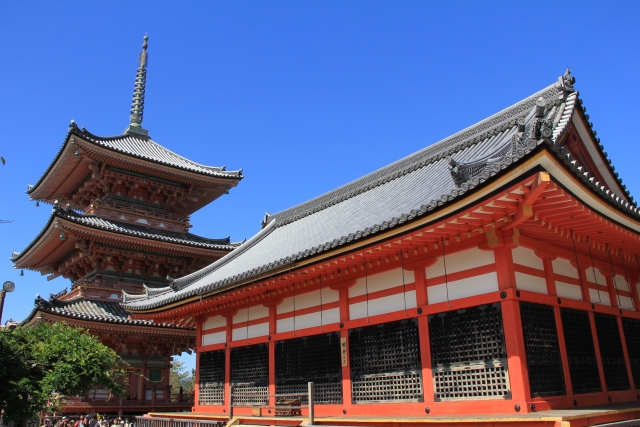
After Christmas comes the New Year. The first three days of the New Year are called "Sanganich", and people usually go “Hatsumode”. Hatsumode is an event where people visit shrines and temples for the first time in the new year. In Tokyo, there are “Sensoji Temples”, “Tokyo Daijingu Shrines”, “Kanda Shrines”, “Yasukuni Shrines”, “Meiji Shrines”, “Hie Shrines”, “Yushima Tenmangu Shrines”, “Jindaiji Templse”, and “Zojoji Temples”. As you can see from this list, there are Buddhist temples and Shinto shrines, but this isn't an event where people feel like they're at a religious event.
In summer, there is “Obon”. “Obon” is a Buddhist-based custom where it's said that deceased ancestors come back to the earth from August 13th to 16th. Depending on the family, they may invite a monk from a temple to perform a memorial service (nenbutsu) and hold "Bon dances”, “Shoro nagashi”, and “Okuri bi". Also, people often visit graves during this time, which causes holiday traffic on trains and highways because city workers return to their hometown, which is usually located countryside.
Many other events in Japan are originated in religion, but are celebrated by people who aren't particularly religious. In Japan, religion is often a form of courtesy and not a belief. Many Japanese people do not have religious views, but it doesn't mean that they dislike religion.
sign up for the Japanese-Online Newsletter
__..-・**・-..__..-・**・-.._ あいうえお かきくけこ さしすせそ たちつてと なにぬねの はひふへほ まみむめも やいゆえよ らりるれろ わゐうゑを ん __..-・**・-..__..-・**・-.._
#JapaneseOnline #LearningJapanese #FreeJapaneseLessons #JapaneseVideoLearning #JapaneseAnime #Anime #JapaneseFood #Bloguru