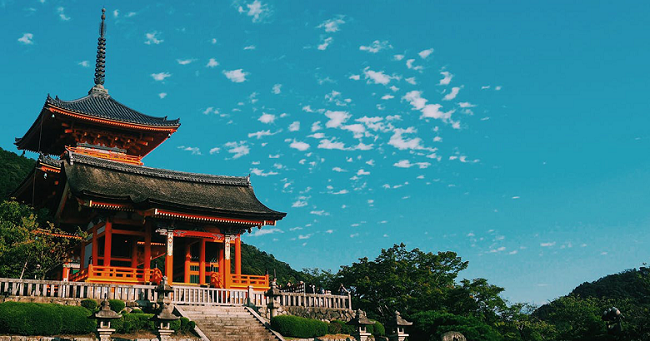
「わびさび」という言葉 を耳 にしたことはあるかと思 いますが、意味 や使 い方 はご存 じでしょうか。まず、「わびさび」は2語 に分 けることができます。「わび」は漢字 で「侘 び」と書 き、質素 で簡素 な物 の中 にも美 しさがあることを指 します。また、「さび」は漢字 で「寂 び」と書 き、古 く寂 びれた物 の中 にも美 しさがあることを指 します。この2単語 が合 わさることで、「質素 で古 い物 にも独特 な美 しさがあると感 じる」日本人 特有 の感性 として、使 われるようになりました。特 に日本 の伝統 骨董 品 、芸術 や文化財 などを目 にしたとき、「わびさび」を感 じることができます。例 えば、歴史 のあるお寺 を訪 ね、年月 を重 ねた趣 のある建物 を目 にして、「わびさびを感 じますね。」のように感 じた気持 ちを相手 と共有 する際 に使 うことができます。
Wabi-sabi
Have you heard of the word, “wabi-sabi”? And if you have, do you know what it means and how to use it? First, wabi-sabi can be divided into two words. Wabi, in kanji, is written as "侘び" and refers to something simple and plain. Sabi, or "寂び" in kanji, refers to something old and desolate. When combining the two, it creates a unique sensibility of “a feeling that there is a unique beauty in simple and old things” in Japanese. In particular, you can feel wabi-sabi when looking at traditional Japanese antiques, art, and cultural assets. For example, say you visit a temple with a long history. When looking at this building with an aged atmosphere, to share how you feel with the other person, you can say, “I feel wabi-sabi, don’t you?”
sign up for the Japanese-Online Newsletter
__..-・**・-..__..-・**・-.._ あいうえお かきくけこ さしすせそ たちつてと なにぬねの はひふへほ まみむめも やいゆえよ らりるれろ わゐうゑを ん __..-・**・-..__..-・**・-.._
#JapaneseOnline #LearningJapanese #FreeJapaneseLessons #JapaneseVideoLearning #JapaneseAnime #Anime #JapaneseFood #Bloguru
Wabi-sabi
Have you heard of the word, “wabi-sabi”? And if you have, do you know what it means and how to use it? First, wabi-sabi can be divided into two words. Wabi, in kanji, is written as "侘び" and refers to something simple and plain. Sabi, or "寂び" in kanji, refers to something old and desolate. When combining the two, it creates a unique sensibility of “a feeling that there is a unique beauty in simple and old things” in Japanese. In particular, you can feel wabi-sabi when looking at traditional Japanese antiques, art, and cultural assets. For example, say you visit a temple with a long history. When looking at this building with an aged atmosphere, to share how you feel with the other person, you can say, “I feel wabi-sabi, don’t you?”
sign up for the Japanese-Online Newsletter
__..-・**・-..__..-・**・-.._ あいうえお かきくけこ さしすせそ たちつてと なにぬねの はひふへほ まみむめも やいゆえよ らりるれろ わゐうゑを ん __..-・**・-..__..-・**・-.._
#JapaneseOnline #LearningJapanese #FreeJapaneseLessons #JapaneseVideoLearning #JapaneseAnime #Anime #JapaneseFood #Bloguru