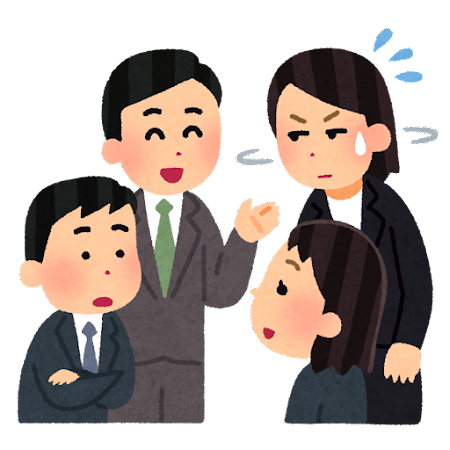
Do you know what "Ochi" is?
Have you ever listened to a story for a long time and at the end thought "So?" A story without a conclusion is not interesting to listen to. A story that has a conclusion is called a story with an "ochi." An especially interesting or enjoyable "ochi" is appreciated by the Kansai people.
People from Kansai do not like stories that have no conclusion or are not interesting. What do you do when you tell a story without an "ochi" in Kansai? The answer is to tell the story as if there is an "ochi" using a suitable lie. You then escape responsibility by saying, "shirankedo / I do not know."
Today, I talked about "ochi," which Kansai people enjoy, and "shirankedo," which Kansai people use at the end. In Kansai, it is more important how interesting the story is rather than the content of it.
sign up for the Japanese-Online Newsletter
__..-・**・-..__..-・**・-.._ あいうえお かきくけこ さしすせそ たちつてと なにぬねの はひふへほ まみむめも やいゆえよ らりるれろ わゐうゑを ん __..-・**・-..__..-・**・-.._
Japanese-Online offers a complete Japanese video course
only $14/month!
Learn more at Japanese-Online.com
__..-・**・-..__..-・**・-.._ あいうえお かきくけこ さしすせそ たちつてと なにぬねの はひふへほ まみむめも やいゆえよ らりるれろ わゐうゑを ん __..-・**・-..__..-・**・-.._
#JapaneseOnline #LearningJapanese #FreeJapaneseLessons #JapaneseVideoLearning #JapaneseAnime #Anime #JapaneseFood #Bloguru