Japanese Online Newsletter 読者のクリスティーンさんからこのようなメールを頂きました。
“Thanks again. I have two special requests: まあまあ and しまいました. The first word seems like an insult to me, but Japanese people say no. The second word has some kind of special meaning that is hard to understand. Would you explain them sometime??”
今日は、リクエストいただきました「まあまあ」と「〜しまいました。」について使い方をお話させていただきます。
まあまあ
この言葉は物事を評価する時、また怒った人を落ち着かせるために使う言葉です。最初の評価で使う「まあまあ」ですが、これは良くもないけど悪くもない、という平均的という評価を意味します。英語で言う So So に似ていると思います。
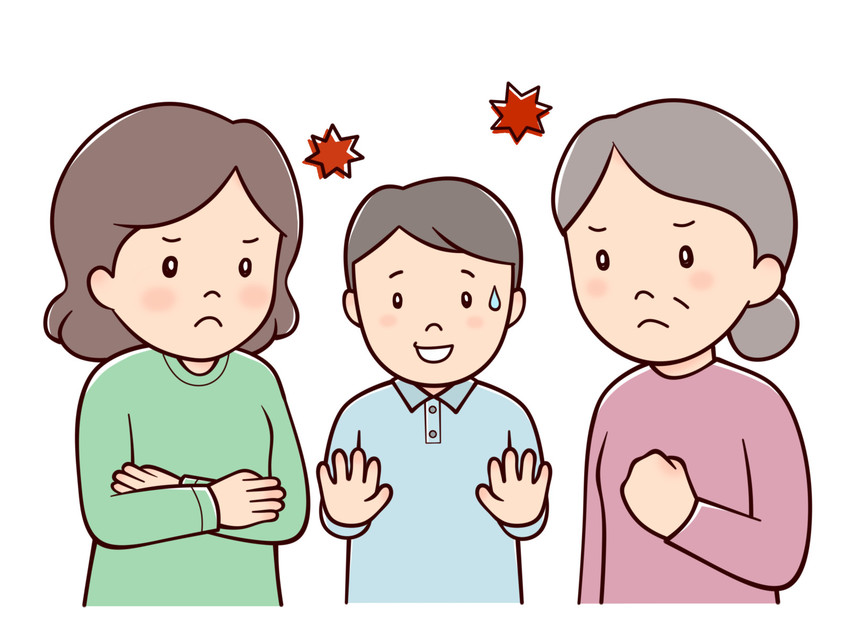
次に、2つ目の「まあまあ」は、そんなに怒らないで落ち着いてくださいという意味で使う言葉です。要するに高ぶった気持ちを抑えてくださいとお願いしている言葉なのです。「まあまあ、そんなに怒らないで」と使います。
~しまいました。
「しまいました。」は文章の最後で締めくくりをします。一般的には「〜〜〜を、してしまいました。」という使い方をします。これは、何かをやってしまって、それが失敗に終わったことを意味しています。ですから「お皿を割ってしまいました。」「嫌われてしまいました。」というように申し訳ないという意味を含んだ文章を作るときに使います。
これ以外に「しまいました」は「仕舞いました。」という意味で使った場合、「片付けました。」と同じ意味を持ちます。
これでお分かりいただけましたか。分からないことがあればいつでも聞いてください。できる限りお答えしたいと思います。
Maa Maa & Shimaimashita
We have received the following email from Christine. Thank you Christine.
“Thanks again. I have two special requests: まあまあ and しまいました. The first word seems like an insult to me, but Japanese people say no. The second word has some kind of special meaning that is hard to understand. Would you explain them sometime??”
I will try to explain both of these in this newsletter.
Maa Maa
This word is used to evaluate things and as a word is used to calm a person who is angry. The first one we use in the first evaluation is “Maa Maa," which means not good but not bad. It basically means an average rating. It's similar to the English word "So So".
And the second, "so-so", is used to tell people to calm down and to not get so angry. In other words, you are asking them to calm down and bring their level of anger down. It's used as, “Maa Maa," don't get so angry.
Shimaimashita
“Shimamashita” is used to end a sentence. It is commonly used to say, “… o shite Shimamashita”. This means that you have done something and it has ended in failure. “Osara o Watte Shimaimashita. I broke the plate.” You use this to express that you are sorry.
When you use "Osara o Watte Shimaimashita / I broke the plate" or “Kirawarete Shimaimashita / You hate me” you are describing something that is negative.
In addition, “Shimaimashita” has another meaning. It means to put something away. It is the same as “Katazukemashita.”
I hope this information was helpful. If you have any questions, please feel free to ask uz and we will do our best to answer them.
sign up for the Japanese-Online Newsletter
__..-・**・-..__..-・**・-.._ あいうえお かきくけこ さしすせそ たちつてと なにぬねの はひふへほ まみむめも やいゆえよ らりるれろ わゐうゑを ん __..-・**・-..__..-・**・-.._
Japanese-Online offers a complete Japanese video course
only $14/month!
Learn more at Japanese-Online.com
__..-・**・-..__..-・**・-.._ あいうえお かきくけこ さしすせそ たちつてと なにぬねの はひふへほ まみむめも やいゆえよ らりるれろ わゐうゑを ん __..-・**・-..__..-・**・-.._
#JapaneseOnline #LearningJapanese #FreeJapaneseLessons #JapaneseVideoLearning #JapaneseAnime #Anime #JapaneseFood #Bloguru