今日はローマ字で書かれた日本語の正しい発音方法についてお話します。例えば私の名前は、内倉憲一(うちくらけんいち)で、ローマ字で書くと Uchikura Kenichi になります。発音しにくそうな名前ですよね。これを日本語を話さない人が読むと、ウチクラ ケニチになってしまいます。これはローマ字がこのように分けられているからなのです。
U Chi Ku Ra Ke Ni Chi を母音で分けるとウチクラ ケニチになります。でもこれは間違いなのです。私の名前の場合、母音で分けるときに N (ん) を単体で認識してU Chi Ku Ra Ke N I Chi ウチクラケンイチにしなければいけません。ではローマ字の場合私の名前の N I (んい)を2つの言葉とする場合と Ni(に)をどう区別するのでしょうか。
ローマ字だけを見た場合、N I (んい)と書いたものと Ni(に)を区別する方法はありません。ひらがなやカタカナなら、私の名前「うちくらけんいち」「ウチクラケンイチ」の中には、「に」「二」が存在しないことがわかります。N と I が Ni にならない理由を説明します。それは私の名前の漢字にあります。
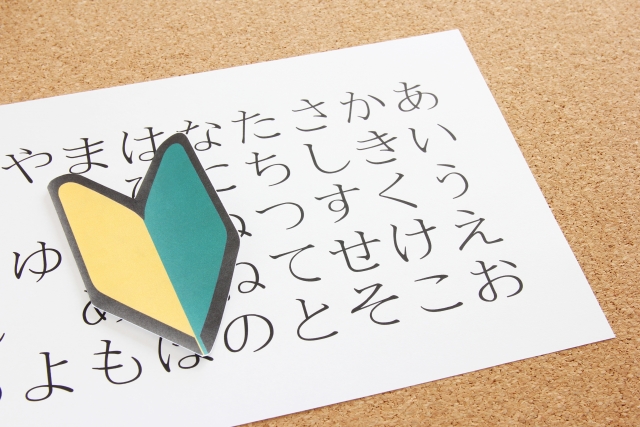
「けんいち」は、漢字で「憲一」と書きます。「憲」は「けん」と発音して「一」は「いち」です。ですから「けんいち」なのです。「に」の発音はどこにも出てこないのです。日本語を覚える場合、ローマ字ではなく、ひらがな、カタカナを最初に覚えると発音が正しくなるのではないでしょうか。今回から数回に分けて発音シリーズを書きたいと思います。
Correct pronunciation of Japanese (1)
Today I will talk about the correct pronunciation of Japanese written in the Roman alphabet. As an example, my name is “内倉憲一”. If I write it in the Roman alphabet, it will be “Uchikura Kenichi”. It's a name that seems difficult to pronounce when you are just reading Roman letters. If a person who does not speak Japanese reads this, it will become “U-Chi-Ku-Ra-Ke-Ni-Chi”. This is because the Roman alphabet is divided in this way.
If you divide “U-Chi-Ku-Ra-Ke-Ni-Chi” by vowel, it becomes “ウチクラケニチ”, but this is a mistake. In the case of my name, when dividing it by vowel, N (n) must be recognized by itself and pronounced it as “U-Chi-Ku-Ra-Ke-N-I-Chi” “ウチクラケンイチ”. So how do you distinguish between the two words in my name, “N I” and “Ni”, in the Roman alphabet?
If you look only at the Roman alphabet, there is no way to distinguish Ni from what you wrote as N I. In hiragana and katakana, you can see that "に" and "二" do not exist in "うちくらけんいち" and "ウチクラケンイチ" in my name. To explain why “N” and “I” do not become “Ni”, it's in the kanji of my name.
"Kenichi" is written in Kanji as "憲一". "憲" is pronounced "ken" and "一" is “ichi" - that is why it is "Kenichi". The pronunciation of "ni" does not appear anywhere. When memorizing Japanese, if you memorize hiragana and katakana first instead of romaji, the pronunciation will be correct. Consider this the beginning of a new pronunciation series I will send that will be broken down into several parts.
sign up for the Japanese-Online Newsletter
__..-・**・-..__..-・**・-.._ あいうえお かきくけこ さしすせそ たちつてと なにぬねの はひふへほ まみむめも やいゆえよ らりるれろ わゐうゑを ん __..-・**・-..__..-・**・-.._
Japanese-Online offers a complete Japanese video course
only $14/month!
Learn more at Japanese-Online.com
__..-・**・-..__..-・**・-.._ あいうえお かきくけこ さしすせそ たちつてと なにぬねの はひふへほ まみむめも やいゆえよ らりるれろ わゐうゑを ん __..-・**・-..__..-・**・-.._
#JapaneseOnline #LearningJapanese #FreeJapaneseLessons #JapaneseVideoLearning #JapaneseAnime #Anime #JapaneseFood #Bloguru